Relief Without Surgery: The Benefits of Shock Wave Therapy
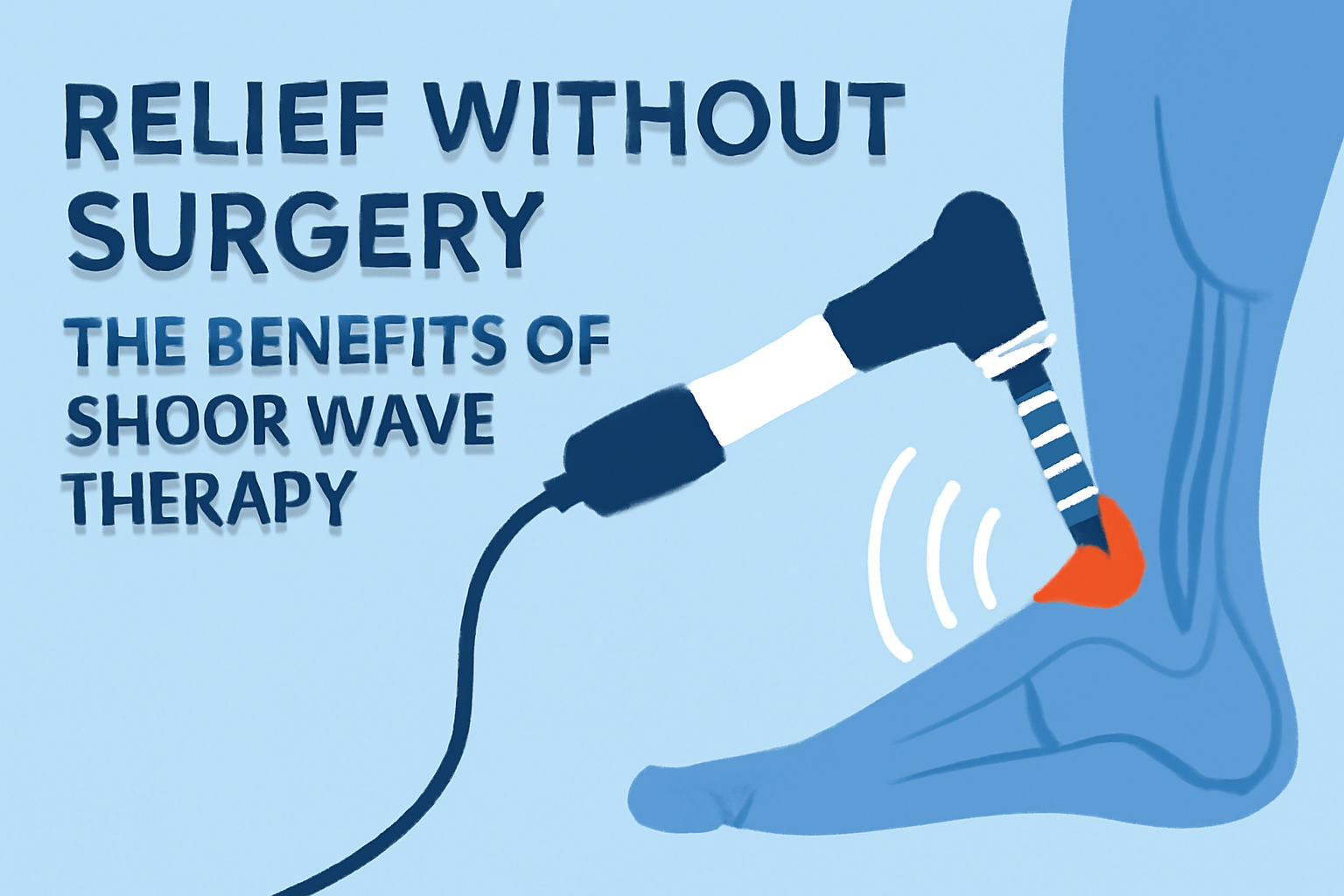
In the world of modern medicine, finding non-invasive treatments that can provide significant relief to individuals suffering from chronic pain or musculoskeletal issues is more important than ever. One such treatment that has been gaining attention for its effectiveness is shock wave therapy. This treatment is revolutionizing how we approach rehabilitation and pain management, providing a solution for those who want to avoid the risks and downtime associated with surgery. If you’re someone looking for relief from persistent pain or injury, shock wave therapy could be a game-changer for you.
Shock wave therapy is a non-invasive procedure that involves applying high-energy sound waves to specific areas of the body to help treat various musculoskeletal conditions. This method has proven to be effective for treating chronic pain, muscle injuries, tendinitis, and plantar fasciitis, among other ailments. The therapy works by stimulating circulation in the targeted area, promoting tissue repair, and reducing inflammation. It’s an alternative treatment for people who have exhausted other conservative methods like medication or physical therapy and are looking for a solution that can offer long-term relief without the need for surgery.
The Science Behind Shock Wave Therapy
To understand how shock wave therapy works, it’s essential to dive into the science behind the treatment. Shock wave therapy uses a device that generates high-frequency sound waves, which are directed at the affected area of the body. These sound waves penetrate deep into the tissues, stimulating healing at a cellular level. The high-energy waves cause microtrauma to the tissue, which in turn triggers the body’s natural healing process.
These sound waves promote blood circulation, which helps to bring oxygen and nutrients to the injured area, accelerating the recovery process. Additionally, the therapy has been shown to break down scar tissue and calcifications that might be causing pain or limited mobility. Over time, this stimulation encourages tissue regeneration, which not only helps to alleviate pain but also improves the functionality of the affected area.
Shock wave therapy is commonly used for conditions such as tendinopathy, calcific shoulder tendinopathy, plantar fasciitis, and chronic pain associated with trigger points in the muscles. However, it is versatile and can also be used for a variety of musculoskeletal issues, making it an excellent treatment option for many patients who are seeking an alternative to invasive surgery.
A Non-Surgical Alternative
One of the main advantages of shock wave therapy is that it provides a non-surgical solution for those who might otherwise be facing surgery. Surgery often carries risks, including complications, long recovery times, and the possibility of not achieving the desired outcome. Shock wave therapy, on the other hand, is relatively quick, with most sessions taking just 15 to 20 minutes, and there is minimal recovery time afterward. Most patients can return to their normal activities almost immediately.
For individuals who are hesitant about surgery or those who have been told they need an invasive procedure to treat their condition, shock wave therapy presents a promising alternative. The therapy has been proven to be effective in treating conditions that previously required surgical intervention, such as plantar fasciitis, Achilles tendon injuries, and calcific tendinitis, among others.
Benefits of Shock Wave Therapy
- Non-Invasive Treatment
As mentioned, shock wave therapy is non-invasive, meaning it does not require any cuts or incisions. This is a significant benefit for individuals who want to avoid the risks associated with surgery. The procedure is relatively comfortable, and patients typically report only mild discomfort during the treatment. Additionally, there is no need for anesthesia, and there’s minimal downtime, allowing you to continue with your daily activities shortly after the session. - Reduced Risk of Side Effects
Unlike some medications or surgeries that can have side effects or complications, shock wave therapy carries minimal risks. Side effects, if any, are usually temporary and mild, such as redness or swelling in the treated area. Most patients experience little to no discomfort post-treatment. This makes it a safe option for many people, including those who may have contraindications for other types of treatments, such as surgery or medication. - Faster Recovery Time
Shock wave therapy typically offers faster recovery times compared to surgery or other more invasive treatments. With surgery, patients often face weeks or even months of recovery, depending on the severity of the condition. In contrast, shock wave therapy’s minimal recovery time means patients can return to their daily routines much sooner. Many patients experience improvement in their symptoms after just a few sessions, which can be a huge relief. - Effective Pain Relief
One of the most significant benefits of shock wave therapy is its ability to provide effective pain relief. By stimulating the body’s healing processes and increasing blood circulation to the affected area, shock wave therapy can significantly reduce pain and inflammation. This is particularly helpful for individuals suffering from chronic pain conditions that haven’t responded to other forms of treatment, such as medication or physical therapy. - Improves Mobility and Function
Many people suffering from musculoskeletal pain experience limited mobility, which can affect their quality of life. Shock wave therapy helps to promote tissue regeneration and reduce scar tissue buildup, which can improve the range of motion in the affected area. This can be particularly beneficial for individuals who have suffered injuries or are dealing with conditions like tendonitis, where the pain may make everyday movements difficult. - No Need for Anesthesia or Medication
Unlike surgical procedures that may require anesthesia or post-operative medications to manage pain, shock wave therapy can be performed without the need for these interventions. Most patients find the treatment tolerable, and any discomfort typically subsides within a short period of time. For individuals who are trying to avoid medications, shock wave therapy offers a natural, non-drug alternative to managing pain and promoting healing.
Who Can Benefit from Shock Wave Therapy?
Shock wave therapy is suitable for a wide range of individuals, particularly those suffering from chronic musculoskeletal pain or injuries that haven’t responded well to other forms of treatment. If you have been dealing with a recurring injury or chronic pain that has significantly impacted your daily life, shock wave therapy may be an ideal solution. Conditions that can benefit from shock wave therapy include:
- Plantar fasciitis
- Tendinitis (e.g., Achilles, elbow, or shoulder tendinitis)
- Tennis elbow
- Calcific tendinopathy
- Frozen shoulder
- Patellar tendinopathy
- Trigger points in the muscles
Even if you have tried other treatments without success, shock wave therapy might be the key to finding long-term relief. It’s important to consult with a healthcare provider to determine if you are a good candidate for this treatment, as certain conditions may make shock wave therapy less effective.
The Procedure: What to Expect
If you are considering shock wave therapy, you might be wondering what the procedure entails. Fortunately, the treatment is relatively simple and doesn’t require any special preparation. Here’s a brief overview of what you can expect during a typical session:
- Consultation: Before beginning shock wave therapy, you’ll have a consultation with your healthcare provider to discuss your symptoms and medical history. This will help them determine whether shock wave therapy is right for you and to identify the most effective treatment area.
- Treatment: During the treatment, a gel will be applied to the area being treated to help the device’s sound waves penetrate the tissue more effectively. The practitioner will then use the shock wave device to deliver the sound waves to the targeted area. You may feel some discomfort, but it is usually well-tolerated.
- Aftercare: There is typically no need for special aftercare following the procedure. You may experience some mild soreness in the treated area, but this is temporary. Most people can resume normal activities immediately after the session.
Conclusion
Shock wave therapy is a groundbreaking treatment that offers relief from chronic pain and musculoskeletal injuries without the need for surgery. Its non-invasive nature, coupled with its ability to promote healing, reduce pain, and improve mobility, makes it an excellent choice for individuals seeking an alternative to traditional treatments. If you are dealing with persistent pain or injury and want to avoid the risks of surgery, shock wave therapy may be the solution you’ve been looking for.
For more information on how shock wave therapy can benefit you, visit https://www.ultimatemedgroup.com/shock-wave-therapy/.