Engineered for High Tonnage: How to Specify Heavy Duty Rack Systems for Industrial Storage
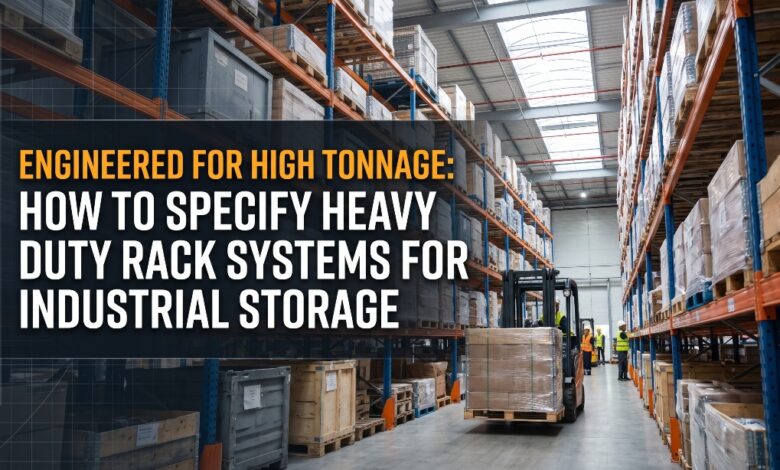
Industrial logistics facilities, manufacturing plants, and high-throughput distribution hubs operate under continuous operational pressure. The rapid growth of global supply chains requires modern warehouses to store dense, high-tonnage cargo safely while utilizing every available inch of vertical building clearance. When storing heavy metal coils, automotive components, construction hardware, or dense palletized inventory, traditional shelving systems are insufficient. Operations teams must deploy engineered storage frameworks specifically calculated to endure immense static dead weights and energetic dynamic loading cycles.
Specifying high-capacity structural installations requires an in-depth understanding of material science, structural engineering standards, and mechanical stress distribution. Selecting mismatched structural profiles or neglecting dynamic forklift impacts can cause structural deflection, expensive inventory loss, and catastrophic structural failure. Engineering teams must conduct comprehensive technical evaluations of foundation load-bearing ratings, steel grade tensile thresholds, and vertical frame geometry to build safe, high-capacity storage environments.
When evaluating supplier capability for multi-tier industrial projects, engineering managers consult certified manufacturing specialists like ACERACKINGSYSTEM to design and calculate every Heavy Duty Rack according to rigorous international structural codes. Specialized structural analysis ensures that cold-rolled or structural steel uprights, heavy-gauge beam profiles, and specialized mechanical locking devices perform reliably under maximum rated capacity. Understanding the key design parameters, load factors, and safety protocols allows warehouse operators to specify resilient storage systems built for long-term performance.
Structural Metallurgy and Material Selection
The strength of any high-tonnage storage configuration begins with the quality, metallurgy, and forming processes of the structural steel. Choosing between cold-formed roll-profiled steel and hot-rolled structural steel shapes depends on inventory profile, environmental exposure, and forklift collision frequency.
- High-Yield Cold-Formed Steel: Formed from high-tensile structural coil sheets passed through precision roll-forming lines, cold-formed profiles provide an exceptional strength-to-weight ratio. Engineered stiffening ribs and return flanges folded into the profile boost torsional resistance while maintaining high operational efficiency.
- Hot-Rolled Structural Channels: Manufactured from solid structural steel channels with thick cross-sections, hot-rolled steel delivers maximum impact resistance. This makes it ideal for harsh manufacturing environments, outdoor yards, and high-traffic forklift transit lanes where equipment collisions are a risk.
- Corrosion Resistance and Surface Treatments: Durable powder-coated electrostatic polymer coatings protect indoor installations from abrasion and surface oxidation, while hot-dip galvanization provides critical corrosion resistance for cold-storage rooms, chemical warehouses, and high-humidity environments.
- Certified Steel Verification: High-tonnage racking specifications require mill test certificates confirming compliant yield points and ultimate tensile strengths under established ASTM, EN, or AS/NZS engineering standards.
Selecting certified steel with appropriate metallurgical properties guarantees that load-bearing members absorb designed static weights without micro-fracturing or excessive elastic deformation.
Load Calculations and Weight Distribution Mechanics
Specifying a safe high-capacity storage system requires calculating total static loading, beam deflection thresholds, and concentrated point stresses. Industrial racking design evaluates more than just gross pallet weight; it models how weight transfers across horizontal beams down into vertical uprights and concrete slab foundations.
- Uniformly Distributed Load (UDL): Horizontal beams are rated based on uniformly spread pallet weight. Standard international safety tolerances limit horizontal beam deflection under maximum load to L/200 or L/250 of clear beam span, preventing structural sag and binding during forklift operations.
- Point Loading Stresses: When storing irregularly shaped cargo, heavy machinery dies, or cylindrical coils, weight concentrates on tiny surface areas. Structural specifications must integrate heavy steel cross-bars or welded pallet support channels to distribute concentrated point loads directly into structural beam steps.
- Seismic and Dynamic Forces: In regions prone to seismic activity, engineers must calculate horizontal ground acceleration forces. Upright frame designs must resist lateral seismic swaying through engineered horizontal and diagonal bracing patterns without frame unseating.
- Impact Resistance Factors: Specifying design safety factors between 1.5 and 1.95 ensures that racking uprights tolerate incidental forklift bumps and pallet set-down shocks without experiencing catastrophic yield failure.
Accurate structural calculations ensure that storage installations safely carry combined live, dead, and dynamic loads across daily operational cycles.
Upright Frame Geometry and Anchoring Dynamics
Vertical upright frames serve as the primary structural pillars, transferring accumulated multi-tier pallet weight directly into the facility floor slab. Proper frame geometry and floor anchoring provide structural stability across high vertical reaches.
- Profile Width and Steel Gauge: High-capacity installations demand upright profile widths spanning 90mm to 140mm, fabricated from heavy-gauge structural steel (2.0mm to 3.5mm thickness) to resist compressive buckling across multi-tier elevations.
- Bracing Geometry: Laser-welded or heavy-bolted structural bracing patterns arranged in alternating K, X, or diagonal orientations counteract horizontal rack shear forces, stabilizing upright columns against lateral sway.
- Heavy-Duty Footplates: Oversized, thick steel baseplates distribute concentrated upright loads across broader concrete floor surface areas, preventing localized floor slab cracking or punch-through failures.
- Expansion Anchor Specifications: Anchoring baseplates with certified mechanical wedge anchors or heavy-duty chemical resin bolts ensures that upright columns stay fixed to floor foundations under dynamic loading and minor equipment contact.
Robust vertical framing and secure slab anchoring prevent frame misalignment, keeping high-tonnage storage structures plumb and stable.
Connector Engineering and Beam Locking Mechanisms
The connection between horizontal cross-beams and vertical upright frames represents one of the most critical structural junctions in an industrial rack system. This intersection must resist strong rotational moments and downward shearing forces while remaining flexible enough for reconfiguring shelf levels.
- Multi-Claw Hook Connectors: High-tonnage beam end connectors feature four or five heavy-gauge drop-forged claws that seat into precision-punched teardrop or diamond upright slots. This multi-tooth design divides vertical shear loads across multiple contact points.
- Automatic Safety Locking Pins: Spring-loaded or heavy gravity drop-pins secure beam end connectors into the upright columns, preventing accidental beam dislodgement if a forklift mast catches the underside of a beam during pallet retrieval.
- Box Beam Profiles: High-tonnage load configurations rely on continuous seam-welded step-box or double-C interlocking box beams. These profiles resist twisting and lateral buckling far more effectively than basic open-channel designs.
- Torsional Resistance: Precision-fit connector interfaces hold beams square against upright columns, creating rigid structural moment connections that maintain frame alignment under off-center loading.
Specifying certified beam connectors and positive safety lockouts prevents beam detachment and maintains structural frame stability under constant handling stress.
Aisle Clearance and Material Handling Compatibility
Racking configurations must match the operational specifications of the material handling equipment used within the facility. Matching rack clear spans and aisle widths to reach trucks, counterbalance forklifts, or automated guided vehicles (AGVs) prevents equipment collisions and maintains picking efficiency.
- Standard Counterbalance Aisles: Wide-aisle layouts (3.8m to 4.5m wide) allow conventional counterbalance forklifts to make 90-degree pallet turns, providing straightforward access for heavy bulk goods.
- Narrow Aisle (NA) and Very Narrow Aisle (VNA): For facilities prioritizing dense storage footprints, VNA configurations reduce aisle widths to 1.6m to 1.9m, using specialized turret trucks or wire-guided order pickers to retrieve high-tonnage pallets at elevations over 15 meters.
- Pallet Overhang Allowances: Engineering clearance designs must accommodate standard 50mm to 100mm pallet overhangs on front and rear beams, ensuring pallets rest securely across both structural beams without contacting opposing inventory rows.
- Vertical Lift Clearances: Rack level spacing must provide a minimum 100mm to 150mm vertical clearance envelope above each stored pallet load, giving forklift operators room to lift pallets clear of beams without striking upper frame levels.
Harmonizing rack geometry with material handling machinery creates safe handling clearances that reduce accidental equipment strikes and streamline picking cycles.
Safety Accessories and Impact Mitigation
Even the strongest industrial storage structure remains vulnerable to continuous operational contact from heavy forklifts and pallet jacks. Integrating mechanical safety barriers protects critical structural members from dynamic impact damage.
- Upright Column Protectors: Heavy-gauge wrap-around steel or high-density shock-absorbing polyurethane column guards shield the bottom 400mm to 600mm of upright columns from direct wheel contact.
- Row-End Crash Barriers: Robust steel tubular crash rails anchored directly into the floor slab shield end-of-aisle upright frames, which are most vulnerable to turns from fast-moving forklifts.
- Back-Stop Beams and Safety Mesh: Heavy wire mesh backings and steel structural stop-tubes prevent pallets from sliding too far rearward, protecting personnel working in adjacent order-picking aisles.
- Drop-In Mesh Decking: Electro-galvanized wire mesh decks reinforced with heavy-gauge steel support channels provide a secondary catch surface, preventing loose cartons or broken pallet boards from dropping between beams.
Equipping storage installations with proactive physical protection components isolates structural columns from operational impacts, preserving structural integrity over years of intensive use.
Quality Standards and Warehouse Engineering Integrity
Large-scale industrial storage installations require strict compliance with international manufacturing and safety certifications to ensure safe operational lifespans. Leading logistics facilities work alongside verified manufacturing facilities like ACERACKINGSYSTEM to implement automated production, strict steel testing, and certified welding across every frame component.
High-density industrial distribution centers built by ACERACKINGSYSTEM feature precision laser cutting, CNC punching, and automated electrostatic powder coating lines to produce components with consistent mechanical tolerances. Standardized manufacturing processes ensure that replacement uprights, beams, and structural ties bolt cleanly into existing frame profiles during warehouse expansions. Partnering with experienced structural specialists gives logistics operators long-term peace of mind, knowing their high-tonnage storage configurations meet established industrial safety standards.
Maximizing Long-Term Value in Industrial Storage
Specifying high-tonnage industrial storage installations is an essential infrastructure investment that directly impacts warehouse capacity, employee safety, and operating efficiency. By carefully evaluating steel yield strengths, calculating beam deflection tolerances, securing heavy-duty floor baseplates, and adding impact-resistant safety guards, logistics engineers can build reliable, long-lasting storage facilities.
Investing in heavy-duty engineering solutions protects valuable inventory, streamlines vertical space utilization, and creates a secure working environment for floor teams and equipment operators alike. A well-designed, properly maintained storage system provides a dependable operational foundation that supports your business through years of supply chain growth.
For technical specifications, engineering guidelines, and high-capacity storage design solutions built for demanding industrial environments, visit https://www.acerackingsystem.com/.