Hurricane Backup Power Guide for Safe Emergency Preparedness
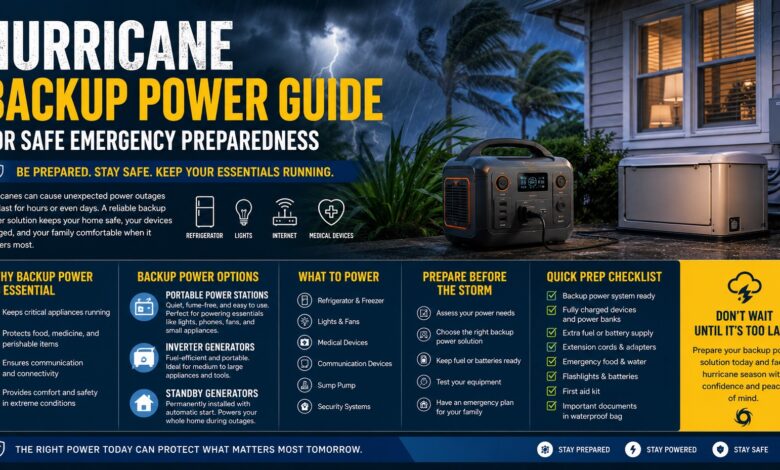
Hurricanes can interrupt electricity with very little warning, leaving families without lighting, communication, refrigeration, or access to essential devices. A strong backup power plan helps turn an uncertain situation into one that feels organized and manageable. Instead of waiting until the wind begins to rise, you can prepare a practical system that supports your household before, during, and after the storm. The goal is not to power every appliance in your home; it is to keep the most important equipment operating safely until regular service returns.
Emergency power preparation works best when it is simple. You need to understand which devices matter most, how much energy they require, and how long your backup supply may need to last. A compact portable power station can support phones, lights, small fans, radios, laptops, and selected medical equipment without the noise, fuel storage, or exhaust associated with combustion-based equipment. When paired with responsible energy use, it can become a dependable part of a broader hurricane readiness plan.
Hurricane backup power from GEYOTO can provide a convenient source of portable electricity for essential low-wattage devices during storm-related outages. A 256Wh power station with up to 300W of output is especially useful when you need compact energy for communication, lighting, personal electronics, and other emergency basics. Its portable format allows you to place it where it is needed, carry it between rooms, or include it in an evacuation kit. That flexibility matters when conditions change quickly and your household must adapt.
Why Hurricane Backup Power Matters
A hurricane can damage electrical lines, flood substations, block roads, and delay repair crews. Even when your home avoids serious structural damage, the local power network may remain unavailable for hours or days. During that time, a charged phone can help you receive alerts, contact relatives, check evacuation information, and request assistance. Lighting can reduce the risk of falls, while a small fan may improve comfort when the air becomes hot and humid.
Backup power also protects your sense of control. Darkness and silence can make an outage feel more stressful than it needs to be, particularly for children, older adults, and anyone who relies on electronic equipment. A prepared energy source creates a stable center in the home where family members can charge devices, gather information, and handle basic tasks. It is like keeping a flashlight for the entire household rather than for just one person.
Identify Your Essential Devices
Begin by deciding which devices are truly necessary. This prevents you from wasting limited stored energy on equipment that can wait until the electrical grid returns. Your priority list will depend on your family, health needs, climate, and expected outage duration.
Common hurricane essentials include:
- Mobile phones and emergency communication devices
- Rechargeable lanterns and flashlights
- Battery chargers and power banks
- A small radio for weather and safety updates
- Low-wattage fans
- Laptops or tablets used for communication
- Approved medical devices within the power station’s limits
- Small direct-current appliances designed for efficient use
Write the wattage of each item beside its name. This information is often printed on the device, power adapter, or product label. The total operating wattage of connected equipment must stay below the power station’s rated output. Equipment with motors, compressors, or heating elements may draw a much higher surge when starting, so they require extra caution.
Understand Capacity and Output
Capacity and output describe two different parts of a portable power station. Capacity, measured in watt-hours, tells you roughly how much energy the battery stores. Output, measured in watts, tells you how much power the station can deliver at one time. A 256Wh unit with a 300W output can run compatible devices below its output limit, but the operating time will depend on the combined load.
For example, a 10W light theoretically uses about 10 watt-hours during one hour of operation. In ideal conditions, a 256Wh battery could support that load for many hours. Real-world runtime will be lower because the system uses some energy during conversion, and battery performance can vary with temperature, age, and operating conditions. It is wise to plan conservatively rather than relying on the maximum theoretical figure.
You can estimate runtime with this basic formula:
Estimated runtime = usable battery capacity ÷ device wattage
The result is only a planning estimate, but it helps you compare devices and decide where to conserve energy. Running one efficient light may be far more useful than powering several bright fixtures at the same time.
Build a Practical Energy Budget
An energy budget gives every stored watt-hour a job. Think of battery capacity as emergency water: you would not pour it away carelessly when you do not know when the supply will return. List your devices, estimate how long you need each one, and calculate their approximate energy use.
A simple emergency schedule might reserve power for phone charging twice a day, lighting for several evening hours, a radio at scheduled intervals, and a fan during the hottest part of the day. Devices do not need to remain connected continuously. Charging in planned sessions reduces standby losses and helps everyone understand how much energy remains.
Use airplane mode when a phone is not needed for calls, lower screen brightness, close unnecessary applications, and download important information before the storm arrives. Rechargeable lights should be used on their lowest practical setting. Small decisions may seem insignificant, but together they can extend available power substantially.
Charge Everything Before the Storm
Preparation should begin before hurricane conditions reach your area. Charge the power station fully while grid electricity is stable. At the same time, recharge phones, lanterns, radios, battery packs, tablets, and other emergency electronics. A fully charged device does not need to draw from your main backup supply immediately, preserving that energy for later.
Test the power station in advance rather than opening it for the first time during an outage. Connect each intended device individually, confirm that it operates normally, and observe the displayed power use when available. This trial run can reveal incompatible equipment, damaged cables, or unexpectedly high energy demands.
GEYOTO emergency power equipment should be stored with its instructions, compatible charging accessories, and clearly labeled cables. Keep everything together in a dry emergency storage area where adults can reach it quickly. Avoid placing critical equipment in a basement or low storage space that could flood.
Choose a Safe Storage Location
Portable battery equipment should be protected from water, excessive heat, direct sunlight, impact, and corrosive materials. During a hurricane, place the unit on a stable, elevated surface away from windows, leaking roofs, and areas where water could enter. Leave adequate space around ventilation openings so heat can escape during use.
Do not cover the unit with towels, blankets, clothing, or plastic while it is operating. Never handle plugs or electrical connections with wet hands. Inspect charging cables and adapters before use, and stop using any component that appears damaged, unusually hot, swollen, or discolored.
Children should understand that the power station is emergency equipment rather than a toy. Pets should also be kept away from cords, which may become tripping or chewing hazards. A safe setup is not complicated: keep the unit dry, ventilated, stable, visible, and supervised.
Use Backup Power for the Right Appliances
A compact 300W power station is designed for modest electrical loads, not whole-home operation. It can be valuable for electronics and efficient devices, but it should not be expected to run major kitchen equipment, large air-conditioning systems, electric heaters, high-powered tools, or other appliances that exceed its rating.
Always check the required wattage before connecting anything. Do not assume that a small appliance has a small energy demand. Heating devices often consume significant power, and appliances with compressors can require a strong startup surge. Overloading the station may trigger protective shutdown features, but prevention is safer than relying on those protections.
Prioritize devices that provide the greatest benefit for the least energy. A rechargeable lantern, for example, may illuminate a room using far less power than a traditional high-wattage lamp. A phone can provide communication, maps, alerts, documents, and entertainment from a single charge. Smart selection makes compact backup power surprisingly capable.
Prepare for Communication Needs
Reliable communication is one of the most important reasons to maintain hurricane backup power. Before the storm, save emergency contacts in your phone and write them on paper in case your device becomes unavailable. Download local maps, insurance documents, identification records, medical information, and evacuation instructions for offline access.
Text messages may succeed when voice calls cannot connect because they use network resources differently. Keep messages brief, and avoid repeated unnecessary calls that drain your phone battery. Designate one relative or friend outside the affected area as a central contact. Each household member can report to that person, reducing the need for multiple conversations.
A small radio can provide updates when mobile service or internet access is unreliable. Instead of leaving it on constantly, check broadcasts at planned times unless conditions require continuous monitoring. This approach keeps you informed without consuming more energy than necessary.
Support Comfort Without Wasting Power
Heat and humidity can become serious concerns after a hurricane, especially when air conditioning is unavailable. A low-wattage fan may provide meaningful relief, but it should be used strategically. Place it near the people who need it rather than attempting to cool an entire room. Close curtains during the hottest part of the day, wear lightweight clothing, and stay hydrated.
At night, use one efficient light in a shared area rather than lighting every room. Keep a flashlight beside each sleeping area so family members can move safely. Arrange the home before sunset by clearing walkways, securing loose cords, and placing frequently used supplies within easy reach.
Entertainment can also support emotional well-being, particularly for children, but it should not consume the entire battery reserve. Download books, music, games, or videos before the storm and use one shared device when possible. Balance comfort with the need to preserve communication and lighting.
Include Backup Power in Your Evacuation Plan
Portable energy is useful even when you must leave home. Keep the station charged and accessible rather than buried behind stored supplies. Pack essential cables, wall-charging equipment, device adapters, and a written list of approved uses. Transport the unit carefully and protect it from rain, flooding, and excessive vehicle heat.
Do not leave battery equipment inside a hot parked vehicle for extended periods. At a shelter or temporary location, follow local rules regarding electrical devices and charging. Use your stored energy respectfully, keeping cords organized and avoiding blocked walkways.
Your evacuation kit should also include water, food, medication, identification, first-aid supplies, clothing, sanitation items, flashlights, and important documents. Backup electricity is valuable, but it works best as one part of a complete preparedness system.
Create a Household Power Plan
Every family member should know how the emergency power plan works. Explain which devices have priority, where the equipment is stored, and who is responsible for checking the remaining charge. Simple rules prevent confusion when the lights go out.
You might establish these priorities:
- Protect medical and safety needs.
- Maintain communication and weather awareness.
- Provide essential lighting.
- Support limited cooling or comfort.
- Use remaining energy for optional electronics.
Post the plan near your emergency supplies. Include the maximum output rating, prohibited appliances, charging schedule, and basic safety reminders. Clear instructions help prevent someone from connecting an unsuitable device or using too much energy without realizing it.
Maintain the Power Station Between Storms
Emergency equipment must be maintained throughout the year, not only during hurricane season. Check the stored charge periodically and recharge the battery according to its operating instructions. Inspect the housing, ports, cables, and adapters for dust, damage, or wear.
Run a household drill once or twice a year. Turn off nonessential power for an hour and practice operating only from emergency supplies. This exercise shows whether your lighting is adequate, your cables are easy to find, and your energy estimates are realistic. It can also make a real outage feel familiar rather than frightening.
Keep your emergency checklist updated as household needs change. A new medical device, additional family member, different phone, or relocation may require a revised power plan. Preparedness is not a box you check once; it is a habit that becomes stronger through regular attention.
Positive Preparedness Creates Confidence
Hurricanes are unpredictable, but your response does not have to be. A charged portable power station, a clear energy budget, and a safe operating plan can protect essential communication and comfort during an outage. The best preparation focuses on realistic needs rather than trying to reproduce normal household electricity.
Start with small actions: identify critical devices, record their wattage, charge emergency equipment, organize cables, and discuss the plan with your household. These steps create layers of protection. Much like boarding a window before the wind arrives, preparing backup electricity early reduces pressure when conditions become difficult.
A compact system from GEYOTO can serve as a practical foundation for emergency lighting, phone charging, small electronics, and other compatible needs. When used within its limits and combined with sensible conservation, it can help your household remain connected, informed, and prepared throughout a storm-related outage.
Review the portable emergency power option at https://www.geyoto.com/products/256wh-portable-power-station-300w.