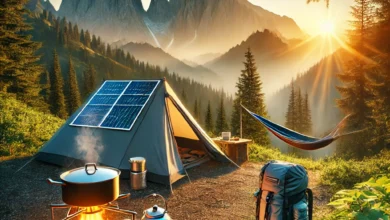
Choosing the Perfect Tent: A Beginner’s Guide to Stress-Free Camping

Camping is one of those timeless outdoor adventures that never really goes out of style. Whether you’re escaping the hustle of city life, bonding with family, or simply reconnecting with nature, there’s something deeply therapeutic about sleeping under the stars. But let’s be honest — your entire camping experience can either be a dream or a disaster depending on one crucial piece of gear: the tent.
If you’re new to camping, choosing the right tent might feel a bit overwhelming at first. Tents come in all shapes, sizes, and designs, and with so many options, it’s easy to get lost in a sea of specs, fabrics, and setup features. But don’t worry — this guide is here to make that process easy, straightforward, and even a little fun.
Below, we’ll break down the most important things to consider when choosing the perfect tent so that your camping trip becomes stress-free, enjoyable, and full of lasting memories.
1. Know Your Camping Style
The first step to finding the right tent is understanding how you plan to camp. Are you heading out for a quick weekend trip? Are you backpacking through trails, or driving straight into a campsite with all the comforts of home? Your answer will directly influence the kind of tent you need.
- Backpacking: You’ll want something lightweight, compact, and easy to carry in your pack.
- Car camping: Weight isn’t as much of a concern, so you can go for comfort and space.
- Family camping: Larger tents with multiple rooms or dividers can make things more comfortable.
- Solo or duo adventures: Small, quick-pitch tents are perfect for short trips.
Understanding your own camping style sets the foundation for the rest of your tent-buying decisions.
2. Consider Tent Size and Capacity
This might sound obvious, but size really does matter when it comes to tents.
Tents are often labeled as “2-person,” “4-person,” “6-person,” and so on, but those labels can be misleading. A “2-person” tent might barely have enough space for two adults and little else — no room for gear, bags, or even elbow space.
Here’s a basic breakdown:
- 1-2 person tents: Ideal for solo campers or couples with minimal gear.
- 3-4 person tents: Great for small families or those who want more space.
- 5+ person tents: Best for families or groups, especially if you’re staying more than one night.
When in doubt, size up. A “4-person” tent is a great choice for two people who want to be comfortable with their gear inside. Nobody likes waking up with a boot in their face or climbing over others for a midnight bathroom run.
3. Think About Seasons and Weather
Not all tents are created for all weather. If you’re only planning to camp in the summer, a lightweight, breathable tent is all you need. But if you plan to camp year-round or in harsher climates, you’ll want to go for something more durable.
Here’s a quick overview:
- 2-season tents: Basic models, ideal for summer and mild spring/fall conditions.
- 3-season tents: The most common type, designed for spring through fall with moderate rain and wind protection.
- 4-season tents: Built for winter and harsh conditions. More insulated, heavier, and able to withstand snow and strong winds.
For most beginners, a 3-season tent strikes the perfect balance between protection and portability.
4. Ease of Setup and Takedown
You don’t want to spend your entire first evening struggling with poles, rain flies, and mystery straps. A good tent should be easy to pitch and pack, even if you’re not a pro.
Look for tents that have:
- Color-coded poles or clips
- Simple instructions sewn into the bag or printed clearly
- Freestanding designs, which don’t require staking out every corner
Practice setting up your tent at home before you go camping. It’ll save you a lot of stress if you arrive at your site in the dark or in the middle of a surprise rainstorm.
5. Ventilation Matters
Ever wake up in a tent feeling damp, clammy, or like you’re stuck in a sauna? That’s poor ventilation at work.
Condensation builds up inside tents as you breathe, especially at night. Without proper airflow, your tent can become uncomfortable — or even moldy over time.
When shopping for a tent, look for:
- Mesh panels on the roof or windows
- Adjustable vents that allow airflow without letting in rain
- Double-wall designs (an inner tent and a separate rainfly)
Good ventilation doesn’t just keep you comfortable — it also extends the life of your tent.
6. Don’t Overlook the Tent Material
The fabric of your tent plays a big role in durability, water resistance, and weight.
Here are some common materials:
- Nylon: Lightweight and common in backpacking tents. Not naturally waterproof but usually coated.
- Polyester: More UV-resistant than nylon, less likely to stretch or sag in the rain.
- Canvas (cotton): Heavier but more breathable and extremely durable.
Also, pay attention to the tent’s rainfly and floor material. A durable, waterproof floor will keep you dry during unexpected showers or wet ground. And always look for sealed seams or seam-taped construction to prevent leaks.
7. Floor Space and Interior Height
Interior space isn’t just about how many people can lie down. Think about how you’ll use the tent throughout your trip.
- Will you be changing clothes inside?
- Spending time indoors during rain?
- Wanting to stand up or move around freely?
A tent with a higher peak height gives you more headroom, making it easier to dress or just stretch. Cabin-style tents are great for taller folks or families, while dome-style tents offer better wind resistance and are easier to set up.
8. Extra Features That Make a Big Difference
Sometimes, it’s the little details that elevate your camping experience:
- Vestibules: These are covered areas outside your main tent door where you can store dirty boots, wet gear, or backpacks.
- Interior pockets: Super handy for keeping small items like phones, flashlights, or keys organized.
- Gear lofts: Small mesh shelves near the ceiling of the tent, perfect for storing lighter items.
- Multiple doors: If you’re camping with others, two doors means fewer people climbing over each other.
These features may seem small, but they add up to a more comfortable, stress-free trip.
9. Practice Makes Perfect
No matter how easy a tent claims to be, your first time setting it up can be a learning experience. Before you hit the trails, set up your tent in your backyard or even your living room. Get familiar with the poles, rainfly, and stakes. That way, you’ll feel confident and calm at the campsite.
For a more detailed look at how to find the best beginner-friendly tents, this article offers a great breakdown: https://www.outdoortechlab.com/perfect-tent-guide/
10. Storage and Portability
Once the trip is over, how easily can you pack your tent away?
- Stuff sacks are common, but some tents now come with wider bags that make packing up easier.
- If you’re backpacking, make sure the packed tent fits well in or on your backpack.
- Check the weight — and remember, that rainfly, poles, and stakes all count!
Having a compact, easy-to-pack tent makes post-trip cleanup a breeze and encourages more camping trips in the future.
11. Budget Considerations
When it comes to buying a tent, there’s a wide range of prices available. While it can be tempting to go for the cheapest option, remember that your tent is an investment in your comfort, safety, and overall camping experience. A well-made tent will last longer and perform better, especially in challenging weather conditions.
That being said, you don’t need to break the bank to get a good tent. Look for the best combination of price and features for your needs. Sometimes spending a little extra money upfront can save you from needing to replace a cheap tent after just one trip.
12. Additional Tips for Tent Care and Maintenance
Once you’ve chosen the perfect tent, it’s essential to take care of it properly so it lasts for many trips to come.
- Clean your tent after each trip to remove dirt, leaves, and sand. If it’s been exposed to saltwater, rinse it thoroughly with fresh water.
- Dry it out completely before storing it to prevent mold and mildew.
- Avoid storing it in direct sunlight for extended periods as UV rays can degrade the fabric.
- Repair any damage immediately—most tents come with repair kits, and it’s a good idea to have some extra patches or seam tape on hand for emergencies.
Proper care will ensure that your tent remains a reliable and durable companion for all your future camping adventures.
Conclusion
Choosing the perfect tent can seem overwhelming at first, but with the right research and a clear understanding of your camping style, needs, and preferences, it becomes much easier. Whether you’re a weekend camper or an adventurous backpacker, the right tent can make all the difference in your outdoor experience.
Start with understanding your camping style, consider factors like size, weight, and weather resistance, and don’t forget to think about comfort, convenience, and durability. With these points in mind, you’ll be well on your way to enjoying many memorable nights under the stars. Happy camping!