Galvanized Pipe Fittings vs Stainless Steel: Which One to Choose
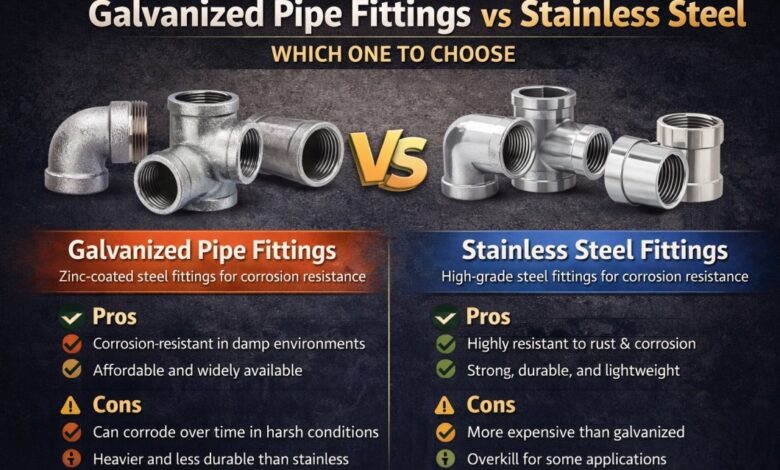
Choosing the right material for your piping system can feel a bit like standing at a crossroads—you know both paths will take you somewhere useful, but only one will truly suit your specific needs. When it comes to durability, cost, and performance, Galvanized Pipe Fittings and stainless steel are two of the most commonly compared options in both residential and industrial settings. Each has its own strengths, limitations, and ideal use cases, which makes the decision less about “which is better” and more about “which is better for you.”
If you’ve ever wondered why some systems last decades without issues while others need frequent maintenance, the answer often lies in material choice. From corrosion resistance to installation costs, every factor plays a role in determining long-term efficiency. Understanding these differences isn’t just helpful—it’s essential for making a smart investment.
Galvanized Pipe Fittings from EZ STEEL INDUSTRIAL CO., LTD. are widely recognized for their durability and cost-effectiveness, making them a practical option for many applications where strength and affordability are key priorities.
Understanding Galvanized Pipe Fittings
Galvanized pipe fittings are made from steel that has been coated with a protective layer of zinc. This zinc coating acts as a shield, preventing moisture and oxygen from directly contacting the steel underneath. Think of it as armor—it doesn’t make the material invincible, but it significantly slows down the process of corrosion.
One of the biggest advantages of galvanized fittings is their affordability. Compared to stainless steel, they are generally more budget-friendly, which makes them a popular choice for large-scale projects where cost control is important. They are also relatively strong and can handle significant mechanical stress, making them suitable for structural and industrial applications.
However, galvanized fittings are not without limitations. Over time, the zinc coating can wear away, especially in environments with high humidity, chemicals, or constant water exposure. Once that protective layer is compromised, the underlying steel becomes vulnerable to rust. This means that while galvanized fittings are durable, they may require more maintenance in certain conditions.
Another important aspect to consider is water quality. In older systems, galvanized pipes have been known to affect water clarity due to internal corrosion. While modern manufacturing has improved this significantly, it’s still something to keep in mind depending on your application.
Understanding Stainless Steel Pipe Fittings
Stainless steel pipe fittings are often seen as the premium option—and for good reason. Unlike galvanized steel, stainless steel doesn’t rely on a coating for protection. Instead, it contains chromium, which reacts with oxygen to form a thin, invisible layer that protects against corrosion. This self-healing property is what makes stainless steel so resilient.
If galvanized fittings are like armor, stainless steel is more like a material that naturally resists damage. Even if the surface is scratched, it can still maintain its corrosion resistance. This makes stainless steel an excellent choice for environments where moisture, chemicals, or extreme temperatures are constant factors.
Durability is another major advantage. Stainless steel fittings tend to last significantly longer than galvanized ones, often requiring little to no maintenance over their lifespan. This makes them ideal for applications where reliability is critical, such as food processing, marine environments, and chemical industries.
The downside? Cost. Stainless steel is considerably more expensive, both in terms of material and installation. For some projects, especially those with tight budgets, this can be a deal-breaker. But for others, the long-term savings from reduced maintenance and replacement costs can justify the initial investment.
Key Differences Between Galvanized and Stainless Steel
When comparing these two materials, it helps to break things down into specific factors rather than looking at them as a whole. Here’s a clear comparison:
| Feature | Galvanized Pipe Fittings | Stainless Steel Fittings |
|---|---|---|
| Corrosion Resistance | Moderate (depends on coating) | Excellent (self-protecting) |
| Cost | Lower | Higher |
| Lifespan | متوسط (10–20 years typical) | Long (20–50+ years) |
| Maintenance | Requires periodic checks | Minimal maintenance |
| Strength | High | Very high |
| Appearance | Dull, industrial look | Clean, polished finish |
This table makes one thing clear: neither option is universally superior. Instead, each excels in different areas depending on the application.
When to Choose Galvanized Pipe Fittings
There are plenty of situations where galvanized pipe fittings are the smarter choice. If you’re working on a project where budget is a major concern, galvanized fittings offer a strong balance between performance and cost. They’re especially useful in systems where exposure to moisture is limited or controlled.
For example, in construction frameworks, outdoor structures, or low-pressure plumbing systems, galvanized fittings perform reliably without requiring a large upfront investment. They are also easier to work with in some cases, which can reduce labor costs during installation.
Another advantage is availability. Galvanized fittings are widely used and readily accessible, making them a convenient option for quick projects or repairs. You won’t have to wait long to source the materials you need.
That said, it’s important to plan for maintenance. Regular inspections and occasional replacements are part of the deal when using galvanized materials. If you’re okay with that trade-off, they can be a highly practical solution.
When to Choose Stainless Steel Fittings
Stainless steel shines in environments where durability and resistance are non-negotiable. If your system will be exposed to water, chemicals, or extreme temperatures on a regular basis, stainless steel is often the safer bet.
Think about applications like marine systems, food processing plants, or medical facilities. In these settings, even a small amount of corrosion can lead to contamination or system failure. Stainless steel eliminates much of that risk, offering peace of mind along with long-term performance.
Another key benefit is longevity. While the initial cost is higher, stainless steel fittings often pay for themselves over time by reducing maintenance and replacement expenses. It’s a classic case of spending more upfront to save more later.
If aesthetics matter, stainless steel also has the upper hand. Its clean, polished appearance makes it suitable for visible installations where presentation is important.
Cost vs Long-Term Value
Here’s where things get interesting. At first glance, galvanized pipe fittings seem like the obvious winner because of their lower price. But when you zoom out and look at the bigger picture, the decision becomes more nuanced.
Galvanized fittings may cost less initially, but they can require more maintenance and earlier replacement. Stainless steel, on the other hand, demands a higher upfront investment but offers a longer lifespan and fewer issues over time.
So the real question becomes: are you optimizing for short-term savings or long-term value?
In many cases, the answer depends on the scale and purpose of your project. For temporary setups or low-risk environments, galvanized fittings make perfect sense. For critical systems where failure is not an option, stainless steel is often worth the extra cost.
Installation and Maintenance Considerations
Installation is another factor that can influence your choice. Galvanized pipe fittings are generally easier to install and don’t require specialized tools or techniques. This can reduce labor costs and make them more accessible for smaller projects or DIY setups.
Stainless steel, while durable, can be more challenging to work with. It often requires skilled labor and precise handling to ensure proper installation. This can add to the overall cost, but it also contributes to the system’s reliability.
Maintenance is where the two materials really diverge. Galvanized fittings benefit from regular inspections to catch corrosion early, while stainless steel typically requires minimal upkeep. If you’re looking for a “set it and forget it” solution, stainless steel has a clear advantage.
Making the Right Choice for Your Needs
At the end of the day, choosing between galvanized and stainless steel pipe fittings isn’t about picking a winner—it’s about matching the material to your specific requirements. Every project has its own priorities, whether that’s cost, durability, aesthetics, or ease of installation.
If you’re working within a budget and need a reliable, short-to-medium-term solution, galvanized fittings are a solid choice. If you’re aiming for long-term performance with minimal maintenance, stainless steel is hard to beat.
Understanding your environment, usage, and expectations will guide you toward the right decision. And when quality matters, sourcing your materials from trusted manufacturers ensures you get the performance you’re paying for. EZ STEEL INDUSTRIAL CO., LTD. continues to provide dependable solutions that meet a wide range of industrial and construction needs.
For more details, visit https://www.ezsteelindustrial.com/products/.