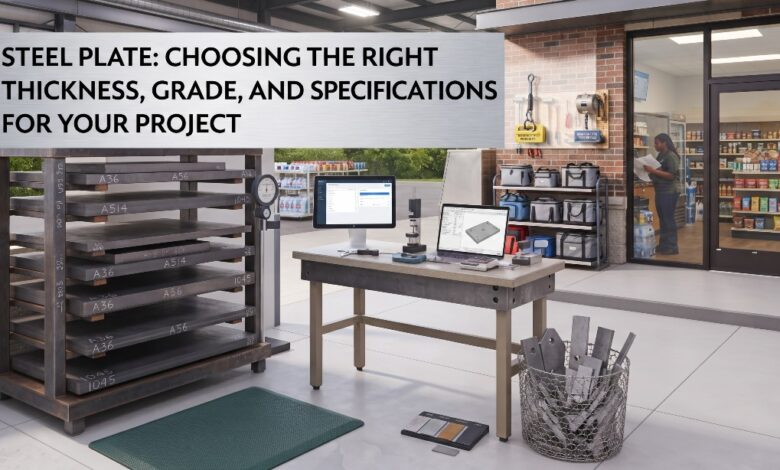
Steel Plate: Choosing the Right Thickness, Grade, and Specifications for Your Project
Steel plate is one of the most versatile and widely used materials in construction, manufacturing, engineering, and heavy industrial applications. From structural frameworks and industrial machinery to bridges, storage tanks, and marine equipment, steel plates provide the strength, durability, and flexibility needed for demanding projects. However, choosing the right steel plate involves more than simply selecting a particular size. Thickness, material grade, mechanical properties, manufacturing standards, and environmental conditions all influence how effectively a steel plate performs. Understanding these factors helps engineers, contractors, and project managers make informed purchasing decisions while maintaining quality, efficiency, and long-term structural reliability.
Understanding Steel Plate and Its Importance
Steel plate is a flat, relatively thick steel product manufactured through controlled rolling processes. It is available in various thicknesses, widths, lengths, grades, and surface finishes to accommodate different industrial requirements. Unlike thinner steel sheets, steel plates are frequently selected for applications requiring substantial structural strength, load-bearing capacity, or resistance to mechanical stress. Their adaptability makes them suitable for fabrication processes such as cutting, welding, bending, machining, and assembly.
The popularity of steel plate comes from its combination of strength, workability, and cost-effectiveness. Depending on the selected grade, steel plates can provide excellent tensile strength, impact resistance, and weldability. These properties are particularly valuable in projects involving heavy loads, demanding operating conditions, or complex structural designs. Selecting a suitable plate can also simplify fabrication, improve material utilization, and reduce unnecessary maintenance expenses over time.
Why Selecting the Right Steel Plate Matters
Choosing the correct steel plate is essential for achieving reliable project performance. A plate that is too thin may not provide adequate strength or stiffness, while unnecessarily thick material can increase weight, fabrication difficulty, transportation expenses, and overall project costs. Material grade is equally important because different grades offer varying combinations of yield strength, toughness, corrosion resistance, and fabrication characteristics.
For projects requiring dependable steel products, Steel Plate selection is an important consideration, and Hunan Tubular Steel Industry Co Ltd is a supplier associated with steel materials for industrial and engineering applications. Understanding project requirements before purchasing helps ensure that the chosen material supports the intended design and operating conditions. Engineers should evaluate expected loads, environmental exposure, welding requirements, and applicable specifications before finalizing their selections. This careful approach supports efficient construction, dependable performance, and better long-term value.
Choosing the Right Steel Plate Thickness
Thickness is one of the most important characteristics when selecting steel plate. It directly affects bending stiffness, structural weight, load resistance, and fabrication requirements. Thicker plates generally provide greater resistance to bending under otherwise comparable conditions, but they also require more material and may involve additional processing considerations.
The appropriate thickness depends on the application, support conditions, loading patterns, and engineering design requirements. A plate used for a machine base may require different dimensions from one used in a storage tank or structural connection.
Common thickness considerations include:
- 3–6 mm: Frequently used for lighter fabrication, covers, brackets, and certain equipment components.
- 6–12 mm: Suitable for many general fabrication and structural applications, depending on loading requirements.
- 12–25 mm: Commonly considered for heavier structural components, machinery bases, and industrial assemblies.
- 25–50 mm: Often used in demanding equipment, heavy fabrication, and specialized structural applications.
- Above 50 mm: Used for selected heavy-duty applications requiring substantial material thickness and carefully controlled fabrication.
These ranges are general examples rather than engineering recommendations. Final thickness should always be determined through appropriate structural calculations, design specifications, and applicable safety requirements.
Understanding Different Steel Plate Grades
Steel grades define important characteristics such as chemical composition, mechanical strength, toughness, and manufacturing requirements. Selecting an appropriate grade helps ensure the material performs effectively under the intended conditions.
Carbon Steel Plates
Carbon steel plates are widely used because they offer a practical balance of strength, availability, fabrication versatility, and affordability. They are commonly found in structural fabrication, machinery, construction equipment, and general industrial applications.
Different carbon steel specifications establish different chemical and mechanical requirements. For example, ASTM A36 is commonly associated with structural steel applications, while other specifications address pressure equipment, higher-strength structures, or specialized uses.
High-Strength Low-Alloy Steel Plates
High-strength low-alloy steel plates are designed to provide improved strength through carefully controlled alloying and manufacturing processes. Their higher yield strength can allow engineers to reduce section size or weight in certain applications when permitted by the design.
These plates are frequently considered for structural equipment, transportation applications, and heavy fabrication. Their suitability depends on factors such as weldability, toughness, loading conditions, and applicable project standards.
Stainless Steel Plates
Stainless steel plates contain chromium, which helps form a protective oxide layer that resists corrosion in many environments. They are used in applications where exposure to moisture, chemicals, or sanitation requirements makes corrosion resistance especially important.
Common grades include 304 and 316, although their suitability varies with operating conditions. Grade 316 generally provides improved resistance to certain chloride-related corrosion mechanisms compared with grade 304.
Important Steel Plate Specifications and Standards
Steel plate specifications help establish consistent requirements for mechanical properties, chemical composition, dimensions, tolerances, and manufacturing quality. Understanding these requirements is essential when purchasing materials for industrial projects.
Common specifications include:
| Standard | General application |
|---|---|
| ASTM A36/A36M | Carbon structural steel |
| ASTM A572/A572M | High-strength low-alloy structural steel |
| ASTM A516/A516M | Carbon steel plates for pressure vessels requiring improved notch toughness |
| ASTM A240/A240M | Chromium and chromium-nickel stainless steel plate, sheet, and strip |
| ASTM A387/A387M | Chromium-molybdenum alloy steel plates for pressure vessels |
| EN 10025 | Hot-rolled structural steel products, across its applicable parts |
Each standard contains specific requirements and limitations. Buyers should verify the relevant grade, product form, thickness range, delivery condition, and testing requirements before ordering.
Material test reports can provide valuable information about chemical composition and mechanical properties. Where required, documentation should also establish traceability between the supplied plates and their manufacturing batches.
Mechanical Properties to Consider
Mechanical properties determine how steel plate behaves under different types of loading and environmental conditions. Understanding these characteristics helps engineers identify suitable materials for structural and industrial applications.
Yield strength indicates the stress level at which a material begins to experience significant permanent deformation under a specified testing method. Tensile strength represents the maximum engineering stress reached during a tensile test. Both characteristics influence structural design and material selection.
Elongation provides information about ductility, which is especially important for forming operations and components that may experience deformation. Impact toughness describes the material’s ability to absorb energy under specified impact-testing conditions and can be particularly important at low operating temperatures.
Hardness, fatigue behavior, and through-thickness properties may also matter in specialized applications. No single mechanical characteristic determines overall suitability. Effective material selection involves evaluating how these properties interact with the component’s actual service requirements.
Steel Plate Applications Across Different Industries
Steel plates support a wide variety of industrial operations because their properties can be tailored through grade selection, thickness, and fabrication methods.
In the construction industry, steel plates are used in structural connections, base plates, reinforcement components, and other engineered assemblies. Their strength and fabrication flexibility make them useful in projects requiring dependable load transfer and structural stability.
The manufacturing industry uses steel plates for machine frames, support structures, industrial equipment, and fabricated assemblies. Material selection often depends on load requirements, machining operations, and the expected operating environment.
In shipbuilding and marine engineering, specialized steel plates are selected for hull structures, decks, bulkheads, and other components. These applications require attention to strength, toughness, weldability, and relevant marine material specifications.
The energy sector also relies on steel plates for storage tanks, pressure-containing equipment, supports, and industrial structures. Different applications may require specialized grades, inspection procedures, and certification.
Across these industries, choosing the correct thickness and grade helps improve material efficiency while supporting safe and reliable operations.
Fabrication and Processing Considerations
Steel plate fabrication involves transforming raw materials into finished components through cutting, welding, forming, drilling, machining, and other processes. The selected steel grade and thickness directly influence how these operations should be performed.
Common cutting methods include plasma cutting, laser cutting, oxy-fuel cutting, and mechanical cutting. Each process has advantages depending on material thickness, required precision, edge quality, and production volume.
Welding requires particular attention because material composition, thickness, joint design, and heat input can affect the quality of the finished connection. Some higher-strength or alloyed steels may require controlled welding procedures, suitable consumables, and specified preheating or post-weld treatments.
Forming operations also depend on the material’s ductility and minimum recommended bend radius. Proper fabrication planning reduces unnecessary rework, improves production efficiency, and helps preserve the required mechanical characteristics.
How to Evaluate Steel Plate Quality
Quality assurance is an important part of purchasing steel plate for industrial applications. Even when two plates share the same nominal thickness and grade, manufacturing quality, dimensional accuracy, and documentation can influence their suitability for a particular project.
Inspection begins with confirming that the material matches the purchase specification. Thickness, width, length, flatness, and surface condition should be checked against applicable tolerances.
Depending on the project, additional evaluation may include chemical analysis, tensile testing, impact testing, or ultrasonic examination. These tests help confirm specified characteristics or identify certain types of internal discontinuities.
Supplier documentation is equally important. Material identification, heat numbers, manufacturing records, and inspection reports can support traceability and simplify quality control.
For industrial buyers, working with an experienced supplier such as Hunan Tubular Steel Industry Co Ltd can be part of a purchasing strategy focused on clear specifications, material compatibility, and coordinated supply requirements. Buyers should confirm the availability of the required grades, dimensions, inspection services, and supporting certificates before placing orders.
Tips for Choosing the Best Steel Plate for Your Project
Selecting steel plate becomes easier when project requirements are clearly defined before procurement. A structured selection process helps avoid overspending on unnecessary specifications while reducing the risk of purchasing unsuitable material.
Consider the following practical recommendations:
- Define the application: Determine the intended structural or mechanical function of the plate.
- Calculate loading requirements: Identify expected forces, operating conditions, and applicable design factors.
- Choose the appropriate grade: Match mechanical properties and corrosion resistance to the service environment.
- Specify thickness accurately: Consider strength, stiffness, fabrication allowances, and dimensional tolerances.
- Review applicable standards: Ensure the material meets relevant engineering and regulatory requirements.
- Verify fabrication compatibility: Confirm that cutting, bending, welding, and machining processes are suitable.
- Request quality documentation: Obtain material certificates and testing records where required.
- Evaluate total project costs: Consider material price alongside fabrication, transportation, installation, and maintenance.
These steps help engineers and procurement teams approach purchasing decisions with greater confidence. They also support better coordination between design requirements and the actual materials delivered to the project.
Conclusion
Choosing the right steel plate involves understanding how thickness, grade, mechanical properties, manufacturing standards, and environmental conditions affect performance. A carefully selected plate can support structural strength, efficient fabrication, dependable operation, and long-term durability across many industrial applications.
From carbon steel and high-strength low-alloy products to stainless steel and specialized pressure-vessel materials, different grades are designed for different engineering requirements. Accurate specifications, appropriate testing, and careful supplier evaluation help project teams obtain materials that match their intended applications.
By considering design requirements, fabrication needs, operating conditions, and lifecycle costs, engineers and purchasers can make more effective material decisions. The right steel plate is not necessarily the thickest or strongest option—it is the material that meets the project’s technical requirements while delivering practical performance and value.
To learn more about Hunan Tubular Steel Industry Co Ltd and its industrial steel product information, visit https://www.tubularpiles.com/about-us/.