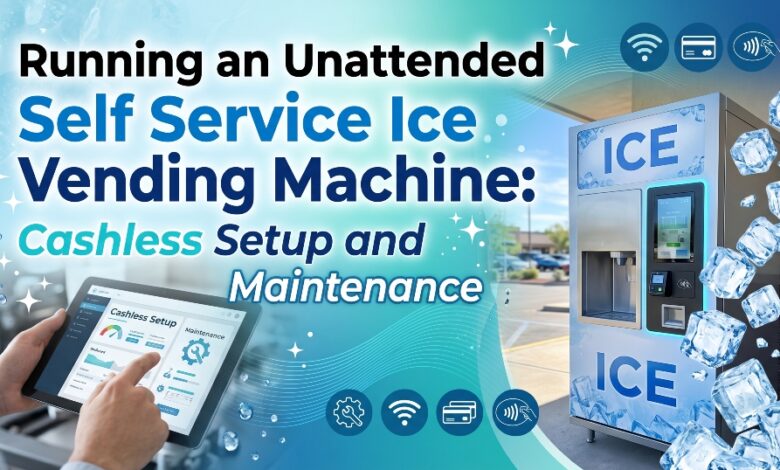
Running an Unattended Self Service Ice Vending Machine: Cashless Setup and Maintenance
The automated self-service retail sector continues to expand rapidly as consumer preference shifts decisively toward round-the-clock convenience and frictionless transactions. Packaged ice has traditionally been distributed through labor-intensive supply chains that involve central freezing plants, refrigerated logistics fleets, third-party distribution warehouses, and manual stocking of convenience store freezers. This outdated model frequently results in frozen ice bags fusing into solid blocks, supply shortages during high-demand summer holidays, and inflated wholesale markups. Modern autonomous ice kiosks solve these challenges by transforming an essential utility into an on-demand, point-of-sale retail asset.
Operating an unattended ice station provides commercial property owners and entrepreneurial route builders with a highly resilient, low-overhead business model. Because ice is an essential staple for household entertaining, recreational boating, commercial fishing, construction workforces, and emergency food preservation, consumer demand remains active throughout every season. By manufacturing and dispensing food-grade ice directly from municipal utility connections on site, operators eliminate transport costs, reduce product waste, and secure high profit margins while providing local communities with continuous access to clean, crystal-clear ice.
Deploying a modern self service ice vending machine manufactured by ChinaPukui enables operators to run an automated commercial route with high mechanical reliability and effortless transaction management. These heavy-duty stations combine multi-barrier water filtration, commercial freezing evaporators, automated bagging mechanisms, and integrated digital payment modules inside an industrial, weather-sealed cabinet. This robust design guarantees that every cycle delivers clean, food-safe ice cubes while allowing equipment owners to oversee daily operations remotely with minimal manual oversight.
Streamlining Operations with Cashless and Digital Payment Systems
The modern retail consumer expects swift, contactless checkout options. Equipping an unattended ice kiosk with comprehensive digital payment infrastructure eliminates purchase friction, speeds up lines during peak hours, and minimizes the security risks associated with physical cash handling:
- Near-Field Communication (NFC) Tap-to-Pay Readers: Integrating weatherized NFC card terminals enables customers to complete transactions in seconds using contactless debit cards, credit cards, and smartwatch devices. This rapid tap-and-go process is ideal for high-traffic environments like highway fuel stations and coastal boat marinas where motorists and boaters prioritize speed.
- Mobile Wallet and Dynamic QR Code Processing: Digital wallet applications and banking apps are standard across diverse consumer demographics. Adding dynamic QR code displays allows shoppers to scan and authorize payment directly from their smartphones, eliminating physical touchpoints and keeping transactions completely contactless.
- Prepaid RFID and IC Smart Cards: For apartment complexes, residential subdivisions, or commercial contractor accounts, operators can issue reloadable RFID smart cards. Patrons can load funds onto dedicated cards to enjoy discounted per-bag rates, providing the route owner with upfront working capital and building dependable customer loyalty.
- Secured Hybrid Multi-Currency Acceptors: While digital payment processing accounts for the vast majority of modern transactions, equipping machines with optical bill validators and anti-jamming coin acceptors ensures access for cash-reliant shoppers in rural areas, state parks, or agricultural communities.
- Integrated Digital User Interfaces: Bright, weather-sealed LCD or LED touch displays walk customers through the purchasing process with clear visual prompts. Buyers can select between pre-bagged ice or direct bulk delivery into large personal coolers, view live dispensing status, and retrieve digital receipts effortlessly.
Proactive Maintenance Protocols for Uninterrupted Uptime
An unattended retail station generates passive revenue only when it remains fully operational. Establishing a disciplined preventative maintenance schedule protects internal mechanical assemblies, preserves water purity, and maintains spotless sanitary conditions:
- Multi-Stage Water Filtration Servicing: Ice quality and clarity depend entirely on effective pre-filtration. Operators must establish a scheduled routine to inspect and replace sediment cartridges, activated carbon blocks, and reverse osmosis membranes. Keeping filtration components fresh ensures the dispensed ice remains odorless, clear, and free from municipal mineral deposits.
- Internal Sanitization and Ozone Cleaning Cycles: Advanced dispensing systems integrate automated ozone generation and ultraviolet sterilization along internal liquid lines and storage compartments. Regularly inspecting UV lamps and confirming automated ozone cycles guarantees continuous microbiological protection without introducing chemical additives.
- Refrigeration Condenser and Air Filter Cleaning: Outdoor kiosks operate across wide ambient temperature swings. Regularly clearing dust, debris, and pollen from refrigeration condenser coils prevents compressor strain, lowers monthly electricity usage, and ensures fast ice harvesting even during hot summer heatwaves.
- Mechanical Bagging and Chute Alignment Checks: Automated bagging mechanisms cycle thousands of times each month. Routine inspections should focus on heat-sealing wires, mechanical tension rollers, film alignment sensors, and ice delivery chutes to prevent bag misfeeds or mechanical jams.
Equipment engineered by ChinaPukui utilizes premium food-grade 304 stainless steel in all internal fluid and ice contact surfaces, paired with accessible modular assemblies that allow field technicians to carry out routine sanitization and component servicing quickly.
Strategic Location Selection for Fast Payback
Selecting a high-visibility, easily accessible physical location is the most decisive factor in determining customer volume, transaction frequency, and long-term route profitability:
- Marinas, Coastal Ramps, and Fishing Centers: Recreational boaters, offshore anglers, and charter captains purchase large volumes of fresh ice to chill onboard coolers, preserve bait, and keep catches fresh. Positioning an automated dispensing kiosk near coastal access docks captures steady, high-volume transactions.
- Highway Fuel Plazas and Truck Stops: Long-distance commercial drivers, vacationing road-trippers, and commuters prioritize convenient, rapid stops. An exterior self-service ice kiosk provides an efficient solution that allows drivers to buy ice without waiting in indoor supermarket checkout queues.
- Campgrounds, RV Resorts, and State Parks: Campers and outdoor travelers regularly replenish ice supplies throughout multi-day excursions, making unattended dispensing kiosks an essential, highly profitable hospitality amenity.
- Active Commercial Corridors and Construction Sites: Work crews, landscaping teams, and industrial workers face demanding physical labor in warm conditions and require large quantities of ice daily for work-truck coolers. Situating kiosks near industrial supply routes ensures consistent morning sales.
- Suburban Retail Plazas and Laundromats: Placing kiosks outside suburban supermarkets, neighborhood strip malls, or laundromats captures routine foot traffic from local households planning weekend barbecues, parties, or everyday household cooling.
Smart Fleet Management Through Wireless Telemetry
Modern automated retail operators supervise extensive regional machine routes without conducting daily on-site visits. Incorporating cellular GSM telemetry connects field kiosks to centralized cloud management dashboards, providing continuous oversight from any smartphone or laptop:
- Live Stock and Bag Roll Monitoring: Remote sensors continuously track the volume of ice in the insulated bin and monitor remaining bagging film supplies, dispatching automated alerts when restocking is required.
- Instant Error Diagnostic Notifications: If a machine encounters an operational interruption—such as low water pressure, a sudden temperature change, or a chute blockage—the system dispatches an instant diagnostic code to technicians for prompt troubleshooting.
- Financial Auditing and Sales Analytics: Every cash, card, and mobile transaction is logged in real time. Operators can track gross revenue, monitor peak purchasing hours, evaluate customer preferences between bulk and bagged ice, and export organized bookkeeping reports with a single click.
- Remote Configuration and Pricing Updates: Telemetry systems enable route owners to adjust retail pricing, change dispensing weights, and initiate system reboots remotely, significantly reducing vehicle dispatch expenses.
Running an unattended automated ice vending route supported by versatile cashless terminals and real-time cloud management combines the stability of an essential commodity with the benefits of modern passive income. By deploying durable, self-monitoring hardware across prime retail locations and adhering to structured maintenance routines, entrepreneurs can provide dependable convenience to their communities while securing strong, recurring financial returns.
Discover advanced automated ice manufacturing systems and expand your operational reach with https://en.chinapukui.com/.