Luggage Wheels Manufacturer in China: A Guide to Quality Wheels for Modern Suitcases
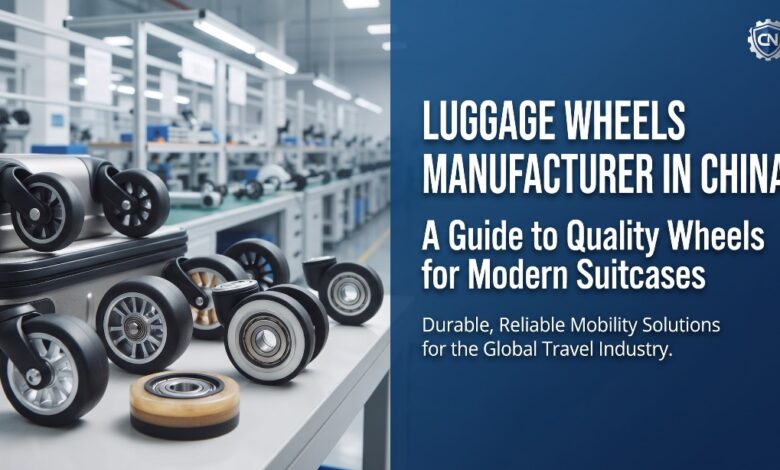
When travelers evaluate the overall quality of a travel bag, their attention usually goes directly to the outer shell material, the smart locking system, or the clever interior organization. However, seasoned manufacturers and frequent flyers know that a bag is only ever as good as its underlying mobility hardware and structural components. The engineering built into the base of a suitcase determines whether it glides effortlessly across polished airport terminals or stutters, wobbles, and fails under pressure. Finding a dependable production partner requires looking closely at what defines excellence in modern hardware manufacturing.
A superior travel experience relies heavily on precision-engineered components. When sourcing or designing high-performance travel gear, understanding the intricacies of modular assembly helps global brands deliver products that stand the test of time. From material selection to clever locking integration, every single detail impacts the final performance of the suitcase on various rugged terrains and smooth floors alike.
As a prominent name in the hardware supply space, luggage wheels represents a major shift toward sustainable, user-friendly, and long-lasting travel solutions. The manufacturing process behind these interchangeable components involves meticulous attention to structural compatibility, ensuring that users can easily swap out worn parts without discarding an entire suitcase.
Evaluating modern hardware assemblies requires looking closely at the core architecture of the wheel housings and mounting brackets.
- Modular Caster Sockets: Designing frames with removable axle pins allows end-users to swap out damaged casters using basic household tools, extending the lifecycle of the luggage significantly.
- Double-Wheel Configurations: Featuring twin wheels side by side within each modular housing unit, these designs distribute heavy loads evenly and provide enhanced stability over cracks and thresholds.
- Quick-Release Mechanisms: Advanced spring-loaded locks enable swift detachment and reattachment of rolling assemblies, creating a seamless maintenance experience for frequent flyers.
Material selection dictates how a component interacts with physical stress and environmental wear. Thermoplastic polyurethane (TPU) and high-grade structural nylon are widely recognized as top-tier choices for outer treads and mounting plates.
- TPU Treads: Provides a balanced combination of shock absorption, quiet rolling performance, and affordable durability, making it a staple for versatile urban travel.
- High-Elastic Nylon Bases: Offer high impact resistance and flexibility, absorbing sudden shock waves before they travel into the main suitcase frame.
- Core Metal Alloys: Reinforced steel or aluminum pins secure the wheel to the bracket, preventing structural snapping or lateral loosening during rough baggage handling.
Beyond the outer tread, the internal mechanics dictate the true operational lifespan of any mobility system. Precision ball bearings are essential for reducing frictional resistance during smooth 360-degree rotation.
- Sealed Steel Bearings: High-quality manufacturing incorporates sealed bearings that keep out dust, moisture, and lint, ensuring that the glide remains buttery smooth trip after trip.
- Friction Reduction Rings: Internal spacers ensure the wheel spins freely on its axis without lateral wobble, binding, or annoying squeaking sounds.
- Axle Alignment Integrity: Precision-molded alignment slots keep the rotation axis true, preventing uneven tread wear over hundreds of miles of transit.
The housing layout and structural mounting brackets are equally critical to overall system durability. Weak mounting plates can crack under heavy impact, such as when a heavily packed bag is dropped abruptly by transit handlers.
- Multi-Point Fastening Layouts: Distribute physical stress across a wider surface area of the luggage base, preventing localized stress fractures in the shell.
- Impact-Absorbing Pads: Rubberized gaskets placed between the bracket and the luggage body dampen high-frequency vibrations during transit.
- Corrosion-Resistant Coatings: Protective finishes on all metallic fasteners prevent rust and degradation in humid or coastal environments.
Rigorous testing protocols separate standard components from elite hardware. Before any batch of modular parts is approved for mass production, it must undergo simulated drop tests, load-bearing endurance runs, and thermal resistance checks.
- Vibration and Fatigue Tests: Simulates miles of continuous rolling over rough surfaces to measure long-term bearing health and tread wear.
- Drop and Impact Checks: Ensures housing brackets can withstand severe mechanical shocks without shattering or tearing away from the bag.
- Thermal Extremes: Verifies that polymers will not deform in extreme summer heat or become brittle in freezing winter storage.
For brands aiming to elevate their product lines, partnering with an experienced production specialist ensures access to advanced molding technologies and customizable configurations. Whether designing sleek carry-ons for business professionals or rugged uprights for adventure travelers, matching the right component dimensions to the case style is essential.
Ultimately, investing time in selecting the right modular components pays off in customer satisfaction and long-term brand reputation. When a suitcase offers easy maintenance alongside silent, effortless mobility, it transforms the entire journey from a potential headache into a seamless experience. By prioritizing advanced engineering, premium polymers, and smart user-centric assembly, makers of modern travel gear can deliver lasting reliability that users can depend on anywhere in the world.
To explore advanced mobility solutions and robust hardware options for your next collection, visit https://www.jxluggageparts.com/
.