How to Maintain Brain Health at Every Age: Tips and Strategies for a Sharp Mind
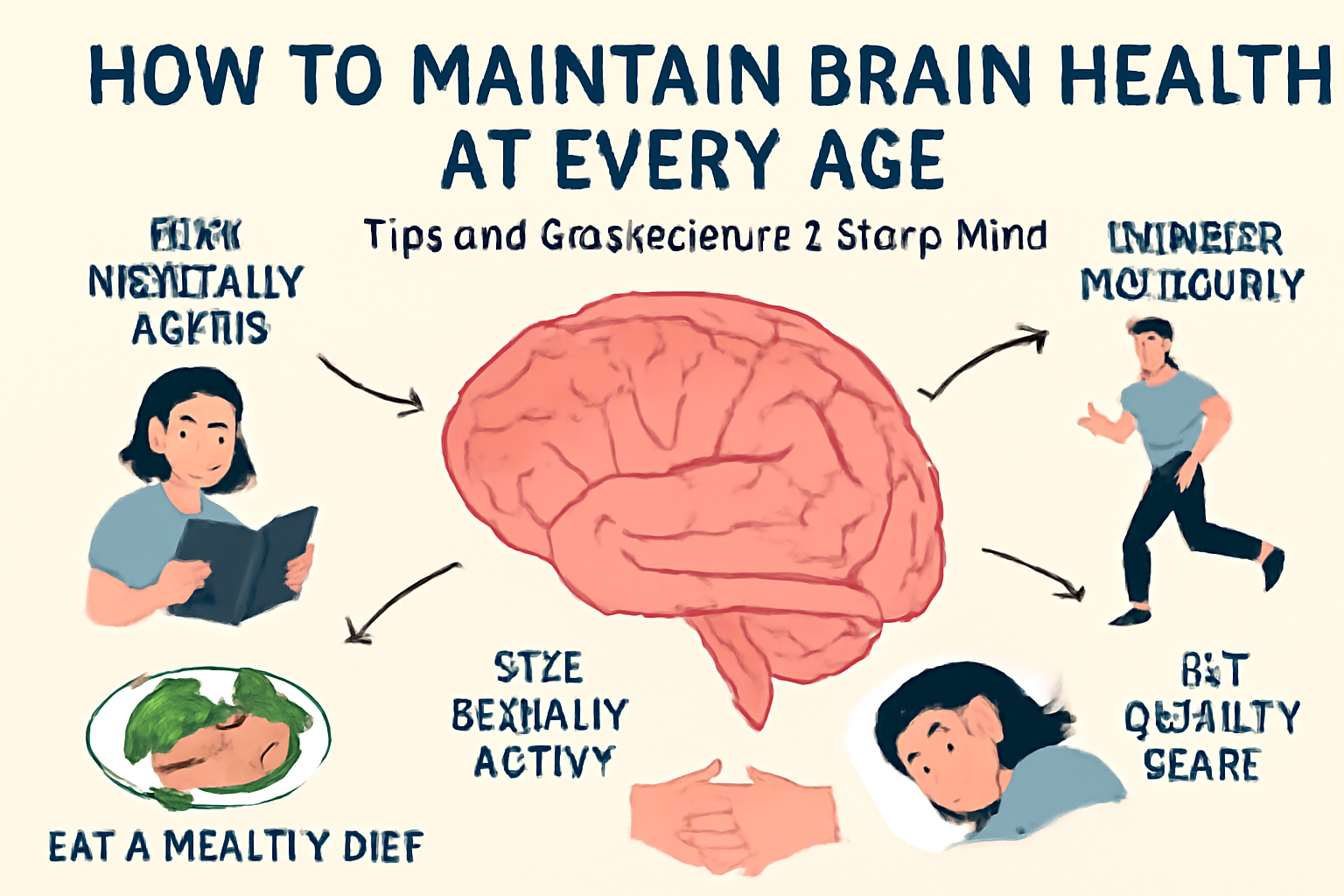
Our brains are the control center of everything we do— from thinking and remembering to moving and feeling. As we age, it’s essential to keep our brain in top shape to ensure we continue to enjoy all the cognitive benefits that come with a sharp mind. Fortunately, there are several lifestyle choices and strategies that can help maintain brain health at any age. Whether you’re in your 20s or your 70s, prioritizing your brain health is crucial for both your current well-being and future vitality.
In this blog, we’ll explore simple yet effective ways to keep your mind sharp, improve memory retention, and prevent cognitive decline as you grow older. So, let’s dive into these tips that will empower you to maintain a healthy brain throughout your life.
1. Engage in Regular Physical Exercise
One of the most powerful ways to improve brain health is by engaging in regular physical exercise. Exercise is not just good for your body; it’s also beneficial for your brain. Research shows that physical activity increases blood flow to the brain, which in turn improves cognitive function. Regular exercise also helps protect the brain from age-related decline by stimulating the growth of new neurons and improving the connections between brain cells.
Activities like walking, swimming, cycling, or even yoga can have a positive effect on your brain. Aim for at least 30 minutes of moderate exercise most days of the week to help maintain brain health. These activities increase the production of chemicals that support neuron growth and brain plasticity, which keeps your mind sharp. It’s a win-win situation—improving both your physical and mental well-being.
2. Prioritize Mental Stimulation
Just like the body, the brain needs regular exercise to stay strong. Mental stimulation is essential for maintaining brain health and enhancing cognitive abilities. When you challenge your brain, it forms new connections and strengthens existing ones. So, how can you keep your brain engaged? The options are endless!
Reading books, solving puzzles, learning a new language, or playing strategy games like chess can provide excellent mental exercise. You can also engage in creative activities such as painting, writing, or learning a musical instrument. These activities encourage brain plasticity and help improve memory, problem-solving skills, and overall mental agility.
The key is to keep your brain busy and avoid falling into monotonous routines. Switch things up, challenge yourself, and never stop learning. Every new experience can create new neural connections that enhance brain health.
3. Eat a Brain-Boosting Diet
What you eat plays a significant role in the health of your brain. A well-balanced, nutrient-rich diet can help maintain brain health and protect against cognitive decline. Foods rich in antioxidants, healthy fats, vitamins, and minerals are especially important for brain function.
To maintain brain health, focus on including the following foods in your diet:
- Leafy Greens: Vegetables like spinach, kale, and broccoli are packed with vitamins, minerals, and antioxidants that support brain health.
- Berries: Berries, particularly blueberries, are rich in antioxidants that protect brain cells from oxidative stress and inflammation.
- Nuts and Seeds: Walnuts, almonds, and flaxseeds are high in omega-3 fatty acids, which are essential for brain function and memory.
- Fatty Fish: Salmon, sardines, and other fatty fish are rich in omega-3s, which improve cognitive function and protect against cognitive decline.
- Whole Grains: Whole grains like oats, quinoa, and brown rice provide a steady source of energy for the brain, keeping you sharp throughout the day.
- Dark Chocolate: Dark chocolate with a high cocoa content contains flavonoids, which may improve memory and cognitive function.
Incorporating these brain-boosting foods into your diet can help prevent cognitive decline, enhance memory, and improve overall brain performance.
4. Get Enough Quality Sleep
Sleep is often overlooked, but it’s one of the most critical factors for maintaining brain health. During sleep, the brain consolidates memories, clears out toxins, and restores its energy. Without adequate sleep, cognitive function suffers, and the risk of developing neurological disorders increases.
Adults should aim for 7 to 9 hours of quality sleep each night. To improve your sleep, establish a regular bedtime routine, avoid caffeine or heavy meals before bed, and create a calming environment that promotes relaxation. A good night’s rest will leave you feeling refreshed and ready to take on the day, with a sharper mind to boot.
5. Manage Stress Effectively
Chronic stress can have a damaging impact on brain health. High levels of stress hormones like cortisol can interfere with memory, learning, and cognitive function. In the long term, chronic stress can even increase the risk of developing mental health conditions such as anxiety, depression, and dementia.
To protect your brain, it’s essential to practice stress management techniques. Meditation, mindfulness, deep breathing exercises, and yoga are all effective ways to reduce stress. Additionally, regular physical exercise and maintaining strong social connections can help buffer against the effects of stress. By finding healthy ways to cope with stress, you can help preserve your brain health over the years.
6. Stay Socially Connected
Maintaining strong social connections is another important aspect of brain health. Socializing with friends, family, or even joining community groups can have a positive impact on cognitive function. Social interactions stimulate the brain, boost mood, and improve mental clarity.
Studies have shown that individuals who maintain an active social life tend to experience slower rates of cognitive decline and lower levels of depression. So, don’t hesitate to reach out to loved ones, participate in social activities, or volunteer in your community. Engaging in regular social interactions will not only improve your mood but also benefit your brain in the long run.
Brain Health University is your ultimate resource for everything related to brain health. They are dedicated to providing insightful, science-backed information to help you make informed decisions about nurturing and preserving one of your most vital organs – your brain. Their mission is to empower you with the knowledge and tools needed to maintain optimal brain health throughout your life. For more detailed insights and resources on brain health, visit https://brainhealthuniversity.com/. Remember, your brain is one of your most valuable assets, so treat it with the care and attention it deserves.
7. Keep Your Brain Safe
Protecting your brain from injury is just as important as maintaining its health. Traumatic brain injuries (TBIs) can have long-term consequences on cognitive function, increasing the risk of developing conditions like Alzheimer’s and Parkinson’s disease.
Always wear a helmet when biking, skateboarding, or engaging in other high-risk activities. Make your home safer by removing tripping hazards, improving lighting, and using handrails on stairs. Preventing head injuries is a key aspect of maintaining brain health, especially as we age.
8. Drink Water and Stay Hydrated
Hydration is vital for overall health, including brain health. The brain is made up of about 75% water, and even slight dehydration can impair cognitive function, concentration, and memory. It’s important to drink plenty of water throughout the day to ensure optimal brain performance.
Aim to drink at least 8 glasses of water per day, or more if you’re active. Herbal teas and water-rich foods like fruits and vegetables can also contribute to your hydration needs.
9. Avoid Smoking and Limit Alcohol Consumption
Smoking and excessive alcohol consumption can have a negative impact on brain health. Smoking restricts blood flow to the brain, increasing the risk of cognitive decline and neurological diseases. On the other hand, heavy alcohol use can damage brain cells and impair memory and learning.
If you’re a smoker, seek support to quit, and if you drink alcohol, do so in moderation. Limiting these harmful habits can significantly improve your brain health over time.
10. Embrace a Positive Outlook on Life
Your mindset can have a powerful impact on your brain health. Research has shown that people with a positive outlook on life tend to have better cognitive function and a lower risk of developing mental health issues. A positive attitude can help reduce stress, improve resilience, and even increase longevity.
To nurture a positive mindset, practice gratitude, engage in activities that bring you joy, and surround yourself with supportive people. A positive outlook on life contributes to mental well-being and can be a key factor in maintaining a sharp mind as you age.
By implementing these tips, you can take proactive steps to maintain brain health, enhance cognitive function, and reduce the risk of age-related brain decline. It’s never too early to start taking care of your brain—small lifestyle changes today can have a profound impact on your future mental well-being.
Conclusion
Maintaining brain health is a lifelong journey, and the earlier you start, the better. By incorporating regular physical activity, mental stimulation, a healthy diet, and stress management techniques into your daily routine, you can help keep your brain sharp for years to come. Remember that brain health is not just about avoiding cognitive decline—it’s about enhancing mental clarity, improving memory, and boosting overall well-being. Stay engaged, stay active, and prioritize your brain’s health as you age.


