Adventure-Ready: The Best Tents for Your Next Trip!
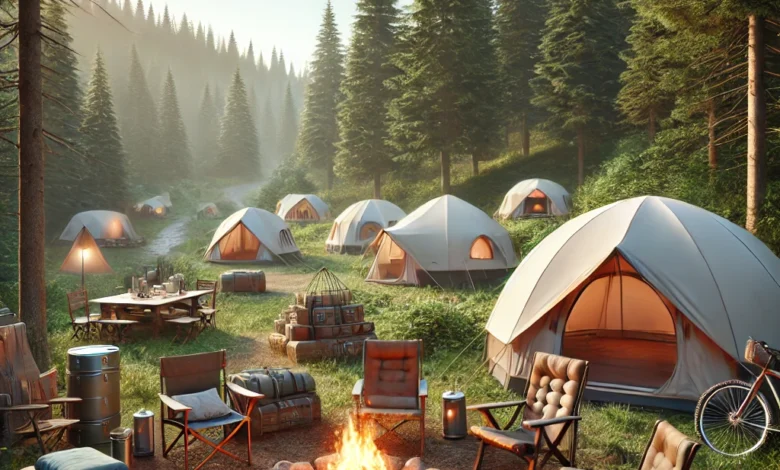
Camping is one of the best ways to escape into nature, breathe fresh air, and experience the great outdoors. Whether you’re planning a solo adventure, a family getaway, or a backpacking trip with friends, having the right tent can make or break your experience. A well-chosen tent provides comfort, protection, and convenience, allowing you to enjoy your trip without worrying about the elements.
With so many options available, it can be overwhelming to choose the perfect tent. From size and weight to durability and weather resistance, several factors come into play when selecting the best shelter for your journey. That’s why we’ve put together this comprehensive guide to help you find the best camping tents today. Whether you’re heading into the mountains, setting up camp by a serene lake, or exploring a dense forest, the right tent will ensure you have a safe and enjoyable trip.
1. Understanding Different Types of Tents
Before diving into the best tents for your adventure, it’s essential to understand the different types of tents available. Each design caters to specific needs, so choosing the right one depends on your destination, group size, and weather conditions.
A. Dome Tents
Dome tents are among the most popular choices for campers. They have a simple structure, featuring two flexible poles that cross at the top to create a dome shape. This design provides stability and decent headroom, making them ideal for general camping trips.
B. Cabin Tents
If you’re looking for a tent with ample space and a home-like feel, cabin tents are a great option. They have near-vertical walls, which maximize headroom and allow for larger sleeping and storage areas. These tents are perfect for family or group camping trips.
C. Tunnel Tents
Tunnel tents are designed with multiple poles running parallel, creating a long, tunnel-like shape. They offer excellent space-to-weight ratios and are often used for backpacking and hiking trips. Their aerodynamic shape makes them more resistant to strong winds.
D. Geodesic Tents
Geodesic tents feature a more complex pole structure, making them incredibly stable and suitable for extreme weather conditions. They are commonly used for mountaineering and winter camping.
2. Factors to Consider When Choosing a Tent
A. Tent Size and Capacity
One of the first things to consider is how many people will be using the tent. Manufacturers label tents based on their capacity (e.g., 2-person, 4-person, etc.), but it’s often a good idea to size up for extra comfort.
B. Seasonality and Weather Resistance
Tents are categorized by season ratings:
- 3-Season Tents: Ideal for spring, summer, and fall, these tents offer good ventilation and protection against rain and wind.
- 4-Season Tents: Designed for harsh winter conditions, these tents have stronger frames and durable materials to withstand snow and heavy winds.
C. Weight and Portability
If you’re car camping, weight isn’t a major concern. However, for backpacking trips, you’ll want a lightweight tent that is easy to carry. Ultralight tents are perfect for long-distance hikers who prioritize minimal weight.
D. Setup and Convenience
Some tents come with a straightforward, easy-pitch design, while others require more effort. If you frequently camp in different locations, a tent with quick assembly features will save you time and frustration.
E. Ventilation and Airflow
Proper ventilation is crucial for comfort, especially in warmer climates. Look for tents with mesh panels, multiple windows, and adjustable vents to prevent condensation buildup.
3. Best Tents for Different Camping Scenarios
A. Best Tent for Solo Adventurers
For those who love venturing into the wild alone, a lightweight, one-person tent is the best option. It should be compact, easy to set up, and provide adequate protection against the elements.
B. Best Tent for Family Camping
Families need spacious tents with multiple rooms and storage options. A large cabin tent with dividers can create separate sleeping areas, making it a more comfortable choice for families with kids.
C. Best Tent for Backpacking
Backpackers require ultralight tents that offer durability without adding too much weight to their packs. Look for tents made with lightweight materials like silnylon or Dyneema fabric.
D. Best Tent for Extreme Weather
For high-altitude or winter camping, a four-season geodesic tent is the best choice. It should be built to withstand heavy snow, strong winds, and freezing temperatures.
E. Best Tent for Car Camping
If you’re driving to your campsite and don’t need to worry about weight, a spacious and comfortable tent with added features like an awning, extra storage pockets, and large doors will enhance your experience.
For a detailed guide on choosing the perfect tent for your next adventure, check out https://www.outdoortechlab.com/best-camping-tent/.
4. Essential Tent Features to Look For
A. Waterproofing and Weather Protection
A high-quality tent should have a durable rainfly, sealed seams, and a waterproof floor to keep you dry during rainstorms.
B. Sturdy Poles and Materials
Aluminum poles are stronger and more durable than fiberglass poles, making them a better choice for stability and longevity.
C. Multiple Doors and Vestibules
Tents with multiple doors provide convenience, especially for group camping. Vestibules offer extra storage space for gear and shoes.
D. Interior Storage and Pockets
Keeping your tent organized is easier with built-in pockets, gear lofts, and hanging loops for lights.
E. Ease of Setup and Take Down
Freestanding tents are generally easier to set up, as they don’t require stakes for initial assembly. Color-coded poles can also simplify the process.
5. Pro Tips for Camping with Your Tent
- Practice setting up your tent at home before heading out on your trip to avoid surprises.
- Choose a flat and dry campsite to ensure a comfortable sleeping surface and prevent water from pooling inside.
- Use a ground tarp or footprint to protect the tent’s base from rocks, moisture, and wear.
- Keep your tent ventilated to minimize condensation and ensure fresh airflow.
- Store food properly outside your tent to avoid attracting wildlife.
Final Thoughts
Choosing the right tent is crucial for a successful and enjoyable camping trip. Whether you need a solo tent for lightweight backpacking, a spacious family tent for group adventures, or a weather-resistant shelter for extreme conditions, there is a perfect tent for every scenario. By considering size, weight, weather resistance, and essential features, you can find a tent that meets all your camping needs.
So, pack your gear, pitch your tent, and get ready for an unforgettable adventure in the great outdoors!