Air Inflation Mattress: Understanding Its Design, Benefits, and Healthcare Applications – Kangzhiyuan Medical Devices Co Ltd
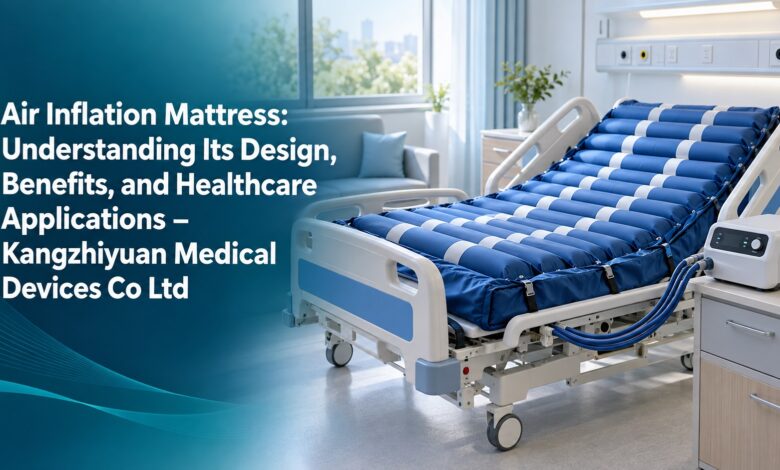
Patient comfort and proper support are essential aspects of modern healthcare, especially for individuals who spend extended periods resting in bed. Whether recovering from surgery, managing mobility limitations, or receiving long-term care, patients need a comfortable sleeping surface that supports their physical needs. An Air Inflation Mattress offers a practical solution by using air-filled chambers to provide adjustable support and help distribute body weight more evenly. Its innovative design makes it a valuable addition to hospitals, nursing facilities, rehabilitation centers, and home care environments.
Unlike traditional mattresses that rely primarily on foam or springs, air inflation mattresses use controlled air pressure to create a supportive resting surface. Depending on the model, these mattresses may feature adjustable firmness, interconnected air cells, or alternating-pressure technology. Such features can help caregivers manage pressure distribution and improve the overall resting experience for patients with limited mobility. As healthcare environments increasingly emphasize patient-centered care, air-supported mattress systems offer a flexible approach to comfort, pressure management, and everyday caregiving.
1. Understanding the Design and Purpose of an Air Inflation Mattress
An Air Inflation Mattress represents a practical patient-support solution within the medical equipment field served by Kangzhiyuan Medical Devices Co Ltd, where comfort, pressure management, and functional healthcare design are important considerations. These mattresses use inflatable compartments to create a supportive surface that can respond to different patient requirements. Instead of relying entirely on fixed cushioning materials, an air-based system allows support characteristics to be adjusted through controlled inflation.
The basic construction typically includes durable air chambers, an outer surface, connecting tubing, and, in powered models, an air pump. These components work together to maintain the desired level of inflation and distribute support across the mattress. Some designs use multiple interconnected chambers, while others feature individually arranged air cells that operate through programmed inflation cycles.
A major advantage of this construction is flexibility. Caregivers can select from different mattress configurations based on the patient’s mobility, weight, medical condition, and anticipated duration of bed rest.
The primary purpose is to create a comfortable and supportive surface while helping manage pressure on vulnerable body areas. This makes air inflation mattresses particularly relevant for individuals who cannot reposition themselves independently or require additional assistance during recovery.
2. How Air Inflation Mattress Technology Works
The operating principle of an inflatable medical mattress is relatively straightforward. Air enters specially designed chambers, creating a cushioning surface that supports the patient’s body. The amount and distribution of air influence the firmness and support characteristics of the mattress.
In basic models, inflation establishes a stable support surface that maintains a selected firmness level. More advanced systems may use an electric pump to regulate air pressure automatically. Some models incorporate alternating-pressure technology, which periodically inflates and deflates different sections of the mattress.
This controlled movement changes the distribution of pressure beneath the patient. Rather than allowing continuous pressure to remain concentrated on the same body areas, the system adjusts support over time.
The technology can be particularly helpful for people who spend long periods in bed and have difficulty changing positions without assistance.
Different models may also offer adjustable settings that allow caregivers to accommodate patient weight and comfort requirements. Proper adjustment is essential because excessive softness or inadequate inflation can reduce effective support.
By combining air-based cushioning with controlled pressure distribution, these systems provide an adaptable alternative to conventional mattress designs.
3. Key Features That Enhance Patient Comfort
A well-designed Air Inflation Mattress combines practical construction with features that support patient comfort and everyday caregiving. Although available designs vary, several characteristics are especially useful when evaluating medical mattress systems.
Important features include:
- Adjustable air pressure: Allows suitable firmness settings based on patient needs and manufacturer instructions.
- Multiple air chambers: Help distribute body weight across different sections of the mattress.
- Alternating-pressure functionality: Changes support patterns in compatible models to reduce sustained pressure.
- Comfortable surface materials: Provide cushioning and support during prolonged periods of rest.
- Reliable inflation system: Helps maintain appropriate air pressure during normal operation.
- Easy-to-clean construction: Supports hygiene and convenient maintenance.
- Appropriate weight capacity: Ensures the mattress can accommodate the intended patient safely.
- Practical controls: Make routine adjustments more manageable for caregivers.
These features work together to create a versatile support system. For example, adjustable inflation can help caregivers achieve an appropriate balance between firmness and cushioning. Multiple air chambers can also provide more flexible support than a completely fixed surface.
The ideal combination depends on individual patient requirements. A person recovering from a short-term medical procedure may have different support needs from someone receiving long-term bed care.
Selecting suitable features helps ensure that the mattress contributes positively to the patient’s resting environment.
4. Benefits of Air Inflation Mattresses for Pressure Redistribution
Pressure redistribution is one of the most important benefits of medical air mattress technology. When a person remains in the same position for extended periods, continuous pressure can develop around prominent body areas such as the hips, shoulders, heels, and tailbone.
An air pressure relief mattress helps manage this concern by distributing support across a larger contact area. The air chambers create a cushioning surface that can adapt to the patient’s body shape and support requirements.
In alternating-pressure models, the inflation pattern changes periodically, helping reduce uninterrupted pressure on particular tissues. This feature can be useful for patients who are unable to reposition themselves frequently.
Better pressure management may contribute to a more comfortable resting experience and support broader pressure injury prevention strategies.
However, air mattresses should not be viewed as substitutes for essential patient care practices. Regular repositioning, skin inspection, moisture management, and appropriate nutrition remain important components of pressure injury prevention.
Healthcare professionals can help determine which pressure-redistributing surface is appropriate for a particular patient.
When used correctly as part of an individualized care plan, an air inflation mattress can provide valuable support for comfort and pressure management.
5. Applications in Hospitals and Rehabilitation Centers
Hospitals and rehabilitation facilities regularly care for patients who require specialized support during treatment and recovery. An Air Inflation Mattress can be useful in these environments because it offers adaptable cushioning and, depending on the design, pressure redistribution features.
Patients recovering from surgery may experience restricted mobility and spend extended periods resting in bed. An appropriate mattress can provide a supportive surface while complementing positioning and skin care practices.
Rehabilitation patients may also benefit from air-supported mattresses during periods when movement remains limited. Individuals recovering from injuries, neurological conditions, or serious illnesses often require equipment that accommodates changing mobility and comfort needs.
In hospital settings, pressure-management surfaces are commonly selected according to patient risk assessments and clinical requirements. This helps ensure that the mattress provides an appropriate level of support.
Ease of cleaning is another important consideration in professional healthcare environments. Mattresses with suitable protective surfaces and accessible maintenance features can help staff maintain hygiene standards.
The adaptability of air inflation systems makes them relevant across different clinical settings, supporting patient comfort while helping healthcare professionals manage daily care requirements.
6. Supporting Elderly Patients and Long-Term Bed Care
Older adults and individuals receiving long-term care may face challenges related to reduced mobility, physical weakness, and extended periods of bed rest. These circumstances can increase the importance of selecting a suitable support surface.
A medical air inflation mattress offers adjustable cushioning that can help accommodate different body shapes and comfort requirements. For individuals who cannot reposition themselves independently, compatible pressure-redistributing designs may help limit prolonged loading on vulnerable tissues.
Comfort also plays an important role in long-term care. Patients who spend much of their day in bed need a surface that provides adequate support without excessive sinking or uncomfortable firmness.
Caregivers can use appropriate mattress settings to support individualized positioning and everyday care routines. However, any adjustments should follow product instructions and clinical recommendations.
Air inflation systems may also be useful when patient needs change over time. Different levels of firmness or pressure-management features can provide flexibility within the capabilities of the selected model.
When combined with regular movement assistance, skin care, and professional monitoring, these mattresses can become a valuable part of a supportive long-term care environment.
7. Advantages of Air Inflation Mattresses in Home Healthcare
Home healthcare increasingly relies on practical equipment that helps families care for relatives with temporary or long-term mobility limitations. A home care air mattress can provide specialized support while fitting into a residential care arrangement.
One major advantage is the availability of different configurations. Some air mattress overlays are designed for placement on compatible existing beds, while other systems provide more comprehensive support surfaces.
This flexibility allows families to explore options that match the patient’s needs and available space.
Adjustable firmness can also be useful in home care. Depending on the model, caregivers may be able to modify the inflation level to provide appropriate support and improve comfort.
For patients requiring extended bed rest, certain alternating-pressure models can help manage continuous pressure as part of a broader care routine.
Routine operation is another important consideration. Clear controls, accessible tubing connections, and straightforward cleaning procedures can make equipment easier to manage.
Before selecting a mattress for home use, caregivers should consider bed compatibility, patient weight, electrical safety, maintenance needs, and professional recommendations.
Choosing suitable equipment helps create a more comfortable and organized environment for both patients and those providing daily care.
8. Choosing the Right Air Inflation Mattress for Healthcare Needs
Selecting an appropriate mattress involves more than comparing appearance or basic features. The patient’s medical condition, mobility level, body weight, skin health, and expected duration of use should guide the decision.
For individuals primarily seeking adjustable cushioning, a suitable static air mattress may provide the required support. Patients with elevated pressure injury risk may need a specialized pressure-redistributing system recommended by a healthcare professional.
Mattress dimensions and weight capacity are essential considerations. The product should fit the bed correctly, support the patient safely, and remain compatible with any adjustable bed functions.
Powered systems also require evaluation of pump performance, operating noise, electrical requirements, and maintenance procedures.
Kangzhiyuan Medical Devices Co Ltd operates within the medical equipment industry, where practical patient-support products help address varied healthcare requirements. Choosing suitable equipment involves considering functional design, ease of operation, and the level of support needed in the intended care environment.
A thoughtful selection process helps caregivers find a mattress that supports patient comfort while fitting naturally into everyday care routines.
9. Installation, Cleaning, and Maintenance Best Practices
Correct installation helps an Air Inflation Mattress provide the intended level of support. Caregivers should begin by reviewing the manufacturer’s instructions and confirming compatibility with the selected bed.
The mattress should be positioned securely, ensuring that tubing and electrical connections remain accessible and free from obstruction. For powered models, the pump should be placed in a suitable location where it can operate safely.
The mattress should be inflated according to product instructions before the patient is positioned on the surface. Caregivers should confirm that the system maintains adequate support and does not allow excessive sinking.
Regular maintenance is equally important. Air chambers and tubing should be inspected for visible damage, leaks, or loose connections.
Mattress surfaces should be cleaned using approved products and procedures. Proper hygiene helps maintain a suitable resting environment and protect the materials from unnecessary deterioration.
Pump performance should also be monitored, particularly when the mattress operates continuously. Unusual noise, inconsistent inflation, or other performance changes may indicate the need for inspection or servicing.
Following recommended maintenance procedures can help preserve equipment functionality and support consistent everyday use.
Conclusion
An Air Inflation Mattress provides a practical combination of adjustable support, pressure redistribution, and patient-focused comfort. Its air-filled construction offers an alternative to traditional fixed mattress surfaces, making it especially relevant for individuals who experience limited mobility or require extended periods of bed rest.
From hospitals and rehabilitation centers to nursing facilities and residential care settings, these mattresses can support a wide range of healthcare needs. Features such as adjustable inflation, multiple air chambers, and alternating-pressure technology in selected models help caregivers provide a more adaptable resting surface.
The most effective results come from choosing an appropriate mattress, following correct installation and maintenance procedures, and combining the equipment with regular repositioning and comprehensive patient care.
For more information about medical air mattresses and healthcare support equipment, visit https://www.kzymedical.com/.