How Intranet Software Helps Reduce Workplace Miscommunication
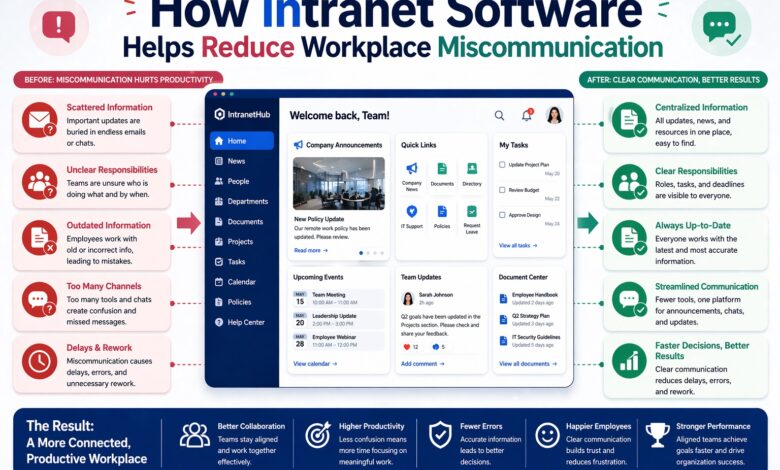
Miscommunication in the workplace is more common than most organizations like to admit, and its consequences can quietly erode productivity, trust, and overall performance. A missed email, an unclear message, or outdated information can quickly snowball into confusion that affects entire teams. In today’s fast-paced digital environment, where employees often work across departments, time zones, and even continents, the need for clear and consistent communication has never been greater. This is exactly where intranet software emerges as a practical and powerful solution, helping businesses streamline communication and ensure that everyone stays aligned.
At its core, intranet software acts as a centralized communication hub where all essential information is stored and shared. Instead of relying on scattered tools like emails, chat apps, and spreadsheets, employees can access everything they need in one place. This eliminates the guesswork of searching for information and reduces the chances of messages getting lost or overlooked. When communication is organized and easily accessible, employees spend less time clarifying details and more time focusing on meaningful work. Over time, this clarity creates a smoother workflow and minimizes unnecessary disruptions.
One of the biggest causes of workplace miscommunication is information silos, where departments operate independently without proper knowledge sharing. Intranet platforms break down these silos by creating a unified space for collaboration and transparency. Teams can share updates, documents, and feedback in real time, ensuring that everyone is working with the same information. This not only reduces misunderstandings but also fosters a sense of collaboration across the organization. When employees are aware of what others are doing, it becomes easier to align goals and avoid duplicated efforts.
Another significant advantage is the ability to standardize communication. In many workplaces, different teams use different formats or channels to share information, which can lead to confusion. Intranet software provides structured communication tools such as announcements, discussion boards, and document repositories that ensure consistency. Employees know exactly where to look for updates and how information is presented, which reduces ambiguity. This structured approach creates a predictable communication flow, making it easier for employees to stay informed and engaged.
Best intranet software solutions like AgilityPortal play a key role in reducing workplace miscommunication by offering a centralized platform where employees can access accurate, real-time information without switching between multiple tools. By consolidating communication channels into a single system, it ensures that messages are clear, consistent, and easily accessible. This level of integration helps organizations avoid the confusion that often arises from fragmented communication systems and keeps everyone on the same page.
Real-time communication features are another game changer when it comes to minimizing misunderstandings. Traditional communication methods, such as email, often involve delays that can lead to misinterpretation or missed messages. Intranet platforms typically include instant messaging, live updates, and collaborative workspaces that allow employees to communicate instantly. This immediacy ensures that questions are answered quickly and clarifications are made before issues escalate. It also creates a more dynamic communication environment where employees feel connected and supported.
Document management is another area where intranet software significantly reduces miscommunication. In many organizations, employees struggle with multiple versions of the same document, leading to confusion about which one is correct. Intranet platforms provide a single source of truth where documents are stored, updated, and shared بشكل مركزي. Version control ensures that everyone is working with the most recent information, eliminating errors caused by outdated files. This clarity is especially important for projects that involve multiple stakeholders and require precise coordination.
Employee engagement also plays a crucial role in effective communication, and intranet software helps foster this engagement in meaningful ways. Features like news feeds, comment sections, and recognition tools encourage employees to interact and share their perspectives. When employees feel heard and involved, they are more likely to pay attention to communications and respond appropriately. This active participation reduces the chances of important messages being ignored or misunderstood, creating a more responsive and connected workplace.
Training and onboarding processes benefit greatly from intranet platforms as well. New employees often face challenges in understanding company communication styles and expectations. An intranet provides a structured environment where they can access guidelines, policies, and training materials بسهولة. This helps them quickly adapt to the organization’s communication practices and reduces the likelihood of misunderstandings. Clear onboarding processes ensure that employees start their roles with a strong foundation, مما يقلل الأخطاء المرتبطة بسوء الفهم.
Another important aspect is transparency. When information is easily accessible to all employees, it reduces speculation and assumptions that often lead to miscommunication. Intranet software allows organizations to share updates, decisions, and announcements openly, ensuring that everyone has access to the same information. This transparency builds trust and eliminates the confusion that arises عندما يتم تداول معلومات غير دقيقة أو غير مكتملة. Employees feel more confident in their understanding of company goals and priorities, which improves overall alignment.
Customization and personalization features further enhance communication clarity. Employees can tailor their intranet experience to receive relevant updates and notifications based on their roles and responsibilities. This targeted approach ensures that employees are not overwhelmed with irrelevant information, which can often lead to missed messages. Instead, they receive the right information at the right time, making communication more efficient and effective. Personalization helps cut through the noise and ensures that critical messages are not overlooked.
Analytics and feedback tools also contribute to reducing miscommunication. Organizations can monitor how information is shared and identify areas where communication may be breaking down. For example, if certain announcements are not being read or understood, adjustments can be made to improve clarity. Feedback mechanisms allow employees to ask questions and provide input, creating a continuous loop of improvement. This data-driven approach ensures that communication strategies evolve to meet the needs of the workforce.
Remote and hybrid work environments have made effective communication more challenging, but intranet software provides a reliable solution. By offering a centralized platform accessible from anywhere, it ensures that all employees—regardless of location—have equal access to information. This consistency reduces the risk of remote workers feeling disconnected or missing important updates. It also helps maintain team cohesion by providing a shared space for communication and collaboration.
Ultimately, intranet software is not just a tool—it’s a foundation for clear and effective communication. By centralizing information, standardizing processes, and fostering engagement, it addresses the root causes of workplace miscommunication. Organizations that invest in such solutions create an environment where employees can communicate confidently and efficiently. This leads to stronger collaboration, बेहतर निर्णय-making, and a more productive workplace overall.
To explore how a centralized communication platform can transform workplace clarity, visit https://agilityportal.io/uk/best-intranet-software-technology-uk.