Additional Services for Custom Shoe Production: Enhancing Your Footwear Development
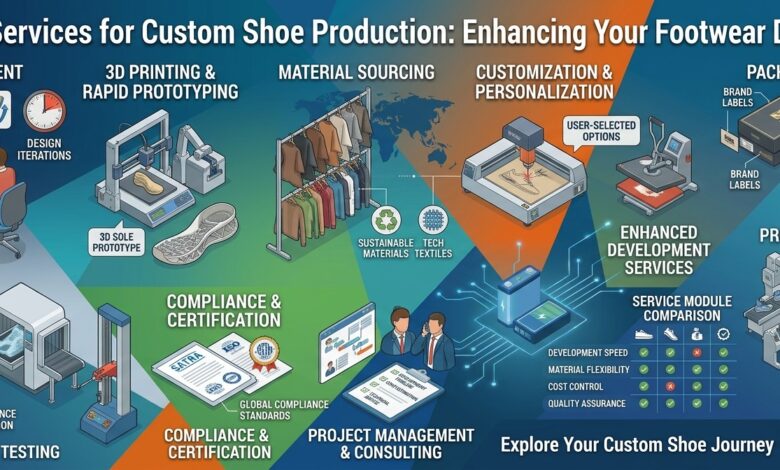
Creating a successful footwear collection involves much more than designing an attractive pair of shoes. Behind every finished product lies a combination of creative planning, technical expertise, material selection, quality management, and careful coordination. As footwear businesses look for ways to introduce distinctive products, additional manufacturing services have become increasingly valuable. These services support different stages of development, helping businesses turn original ideas into comfortable, functional, and market-ready footwear while maintaining greater control over design details and production expectations.
The footwear industry offers exciting opportunities for businesses that want to develop personalized shoe collections. However, transforming an initial concept into a finished product can involve challenges related to material compatibility, sample development, packaging, production scheduling, and product consistency. Additional services help simplify these responsibilities by providing specialized support beyond basic shoe manufacturing. From refining product concepts to preparing footwear for distribution, these solutions can improve communication, support efficient development, and create a more organized production experience for businesses of different sizes.
Exploring additional services for custom shoe production through Lishangzi can help footwear businesses understand the value of comprehensive manufacturing support. Depending on the services available and the requirements of a particular project, businesses may explore assistance with design development, material sourcing, sampling, customization, packaging, and production coordination. These supporting activities allow footwear creators to pay closer attention to product quality, customer preferences, and collection development. When every stage receives proper attention, the journey from an original footwear idea to a commercially appealing product becomes more manageable and rewarding.
1. Understanding the Importance of Additional Footwear Manufacturing Services
Footwear manufacturing is a detailed process that requires several activities to work together. While producing shoes is the central objective, supporting services often influence how smoothly a project develops. These services can address specific needs that arise before, during, and after manufacturing.
For example, a business may have a promising shoe concept but need technical assistance to determine whether the design can be produced efficiently. Another business may already have an approved design but require support with specialized materials, product presentation, or packaging requirements.
Additional services can help bridge these gaps by providing access to relevant production knowledge and practical solutions.
They are particularly useful for businesses developing custom sneakers, casual shoes, fashion footwear, or specialized collections with distinctive design requirements.
Rather than treating manufacturing as a single activity, a comprehensive approach considers the entire product development journey. This creates opportunities for better planning, clearer communication, and more consistent results.
2. Professional Shoe Design and Product Development Support
Every footwear collection starts with a creative vision, but transforming that vision into a practical product requires thoughtful development. Design support can help businesses refine original concepts while considering construction methods, materials, comfort, and overall appearance.
A footwear concept may begin with sketches, inspiration images, color references, or descriptions of specific product features. Technical designers can use this information to develop more detailed specifications.
These specifications may identify the intended upper construction, outsole design, color combinations, decorative elements, and sizing requirements.
Design development also allows businesses to consider the needs of their target customers. Footwear intended for everyday activities may prioritize lightweight comfort, while fashion-focused products may emphasize distinctive silhouettes and visual details.
Careful planning at this stage helps identify potential production challenges before they become costly problems.
When creative ideas and technical requirements align, businesses are better positioned to develop shoes that combine an attractive appearance with practical functionality.
3. Material Sourcing and Selection Assistance
Materials influence nearly every aspect of a finished shoe, including comfort, weight, flexibility, appearance, maintenance, and durability. Selecting suitable components is therefore one of the most important steps in custom footwear development.
Additional sourcing assistance can help businesses compare material options according to their design requirements and intended product applications.
Common footwear materials include:
- Natural and synthetic leather: Suitable for a variety of structured and fashion-oriented designs.
- Breathable mesh: Often selected for lightweight, athletic-inspired footwear.
- Textile fabrics: Offer flexibility in texture, color, and visual presentation.
- Rubber components: Frequently used in outsole designs requiring suitable traction and durability.
- Foam cushioning: Helps create comfortable midsoles and supportive footbeds.
Material selection should also consider production compatibility. A material that looks attractive in a sample may require adjustments when used with particular stitching, molding, or bonding techniques.
Thoughtful sourcing helps businesses develop footwear that meets their intended quality standards while supporting consistent manufacturing.
4. Custom Shoe Sampling and Prototype Development
Sampling allows businesses to evaluate their footwear designs before beginning larger production runs. This stage is especially important because a physical shoe can reveal details that are difficult to assess through sketches or digital illustrations.
A prototype provides an opportunity to inspect overall proportions, material combinations, colors, stitching placement, sole construction, and finishing quality.
It also helps evaluate how the footwear fits and feels during wear.
Businesses can use sample feedback to request adjustments before approving the final design. These revisions might involve changing the width of a shoe, refining decorative elements, modifying cushioning, or adjusting material thickness.
Sampling support also encourages better communication between businesses and manufacturing teams. Each revision brings the product closer to the intended design specifications.
Working with Lishangzi may be an option for footwear businesses exploring customized manufacturing and related development support. Discussing prototype expectations, revision requirements, and approval procedures early in a project can help create a more organized sampling experience.
5. Custom Branding and Footwear Personalization Options
A distinctive identity can make a footwear collection easier for customers to recognize. Customization services allow businesses to develop product details that reflect their preferred visual style and overall collection concept.
Branding-related customization may involve the placement of logos, decorative graphics, custom color combinations, printed designs, or distinctive surface textures.
Depending on the footwear structure and available production methods, personalization may also extend to insoles, heel areas, tongues, straps, and other components.
These details should be integrated carefully into the product design. Decorative features must complement the footwear’s construction rather than interfere with comfort or function.
Consistency is another important consideration. Businesses developing several footwear styles may want coordinating colors, recognizable design elements, or similar finishing characteristics across the collection.
Thoughtful customization helps transform ordinary footwear into products with a more distinctive appearance.
When visual identity and practical usability work together, the result can be an appealing collection that customers remember.
6. Packaging Design and Product Presentation Services
Packaging is an important part of preparing footwear for commercial distribution. Although customers primarily purchase shoes for their design and functionality, thoughtful presentation can influence the overall product experience.
Additional packaging services may help businesses explore suitable shoe boxes, protective inserts, wrapping materials, labels, and other presentation elements.
Packaging should protect the footwear while remaining appropriate for its size, shape, materials, and intended distribution method.
For example, delicate finishes may require protective wrapping, while structured shoes may benefit from inserts that help preserve their shape during transportation.
Businesses may also want packaging that reflects the colors and visual identity of their footwear collection.
Clear size labels and organized product information can make inventory handling more convenient for distributors and retailers.
A practical packaging strategy combines protection, efficient handling, and attractive presentation. This attention to detail helps finished footwear arrive ready for customers to enjoy.
7. Quality Inspection and Product Consistency Support
Maintaining consistent quality is essential when developing custom footwear for commercial markets. Customers expect shoes to match product descriptions, fit appropriately, and provide dependable everyday performance.
Quality inspection services help businesses evaluate finished footwear against established specifications.
Important inspection areas may include material quality, stitching consistency, adhesive application, outsole attachment, sizing accuracy, and surface finishing.
Additional checks may examine decorative components, color consistency, packaging accuracy, and overall presentation.
Quality requirements should be discussed during the early stages of development rather than introduced only after production is complete.
Establishing clear inspection criteria allows businesses and manufacturing teams to work toward shared expectations.
Consistent quality control can also help identify recurring production issues and create opportunities for process improvements.
By paying attention to these details, footwear businesses can support customer satisfaction and develop greater confidence in their finished collections.
8. Production Planning and Manufacturing Coordination
Developing footwear involves multiple activities that must be completed in an organized sequence. Material preparation, sample approval, component production, assembly, inspection, and packaging all require coordination.
Production planning services can help businesses understand these stages and establish practical schedules based on their project requirements.
Clear timelines are particularly important when footwear collections are intended for seasonal launches or specific selling periods.
Businesses should communicate expected quantities, size distributions, material preferences, and delivery requirements before production begins.
Manufacturing coordination also involves monitoring changes that may affect the original development plan. Material substitutions, design revisions, or additional sampling requirements can influence production schedules.
A structured approach creates better visibility throughout the process.
When responsibilities and expectations are clearly defined, businesses can make informed decisions and keep their footwear development projects moving in the intended direction.
9. Supporting Different Footwear Categories and Business Needs
Different footwear categories require different manufacturing considerations. A lightweight casual sneaker may involve breathable fabrics and flexible cushioning, while a formal shoe may require more structured construction and refined finishing.
Additional services can help businesses address these differences by aligning development support with specific product requirements.
For fashion footwear, attention may focus on silhouettes, surface textures, and decorative details. For everyday casual shoes, comfort, durability, and easy maintenance may receive greater emphasis.
Businesses developing multiple product categories may also need assistance coordinating different materials, components, and design specifications.
A flexible approach to footwear development allows each collection to receive appropriate attention without sacrificing consistency.
Understanding the intended market is especially valuable. Products designed around real customer preferences are better positioned to deliver satisfying experiences.
By combining practical manufacturing knowledge with thoughtful design decisions, businesses can develop footwear collections suited to different lifestyles and purchasing needs.
10. Creating Long-Term Value Through Comprehensive Manufacturing Support
Successful footwear development is not simply about producing one attractive design. It also involves building reliable processes that support future collections, product improvements, and changing customer preferences.
Additional manufacturing services can contribute to this long-term development by helping businesses organize technical information, refine specifications, evaluate materials, and maintain consistent quality expectations.
When businesses understand the strengths and limitations of their manufacturing arrangements, they can plan new products more confidently.
Experience gained during one collection can also inform future decisions. Feedback from sampling, production, and customer experiences may reveal opportunities to improve fit, material selection, packaging, or product presentation.
A collaborative approach encourages continuous refinement rather than treating each footwear project as an isolated activity.
Over time, thoughtful development practices can support more distinctive collections and stronger operational consistency.
The combination of creative design, practical planning, and reliable manufacturing support gives footwear businesses a foundation for developing attractive, comfortable, and commercially appealing products.
Conclusion
Additional services for custom shoe production can make a meaningful difference throughout the footwear development journey. From design assistance and material sourcing to prototype creation, branding, quality inspection, and packaging, these supporting activities help businesses approach manufacturing with greater clarity and confidence.
Every successful footwear collection depends on careful decisions made during development. Selecting appropriate materials, reviewing samples, coordinating production, and maintaining quality standards all contribute to the final customer experience.
By exploring comprehensive manufacturing support, footwear businesses can develop distinctive products that balance creativity, comfort, durability, and visual appeal. A well-organized process also creates opportunities for continuous improvement as collections expand and customer preferences evolve.
Learn more about customized footwear development and available manufacturing support by visiting https://www.lishangzishoes.com/additional-services/.