Prepare, Protect, Support: A Complete Guide to War and Emergency Readiness
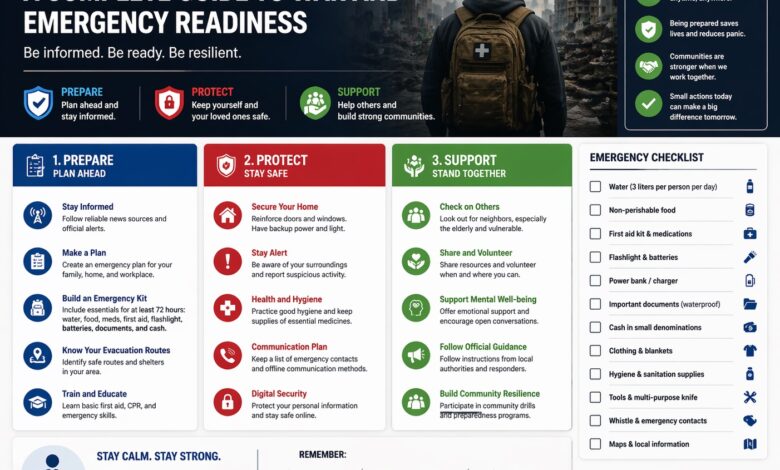
In a world that can shift unexpectedly, being prepared for emergencies or conflict situations is no longer something reserved for specialists—it is a responsibility that empowers individuals, families, and communities. War and crisis readiness is not about fear; it is about confidence, resilience, and the ability to act wisely under pressure. When people are equipped with the right knowledge and mindset, they transform uncertainty into manageable challenges. Preparation builds a sense of control, protection strengthens safety, and support fosters unity. Together, these three pillars create a powerful framework for navigating even the most difficult circumstances with clarity and courage.
One of the most important aspects of readiness is mental preparation. When individuals understand what to expect during emergencies, they are far less likely to panic and far more likely to make rational decisions. Developing a calm, focused mindset allows people to respond rather than react. Simple practices such as scenario planning, stress management techniques, and basic awareness training can make a remarkable difference. Imagine facing a sudden disruption—would you freeze, or would you act with purpose? Mental readiness ensures that your actions are guided by logic instead of fear, and that alone can save lives.
Physical preparedness is equally vital, and it begins with having essential supplies ready at all times. Emergency kits should include necessities such as clean water, non-perishable food, first aid supplies, flashlights, batteries, and important documents stored securely. These items may seem basic, but in times of crisis, they become invaluable. Preparation is not about hoarding; it is about thoughtful planning and accessibility. Families should also establish communication plans, ensuring that everyone knows where to go and how to reconnect if separated. A well-prepared household is one that can adapt quickly and remain stable even when external conditions are uncertain.
Beyond individual readiness, community awareness plays a major role in survival and recovery. People who stay informed about local risks, emergency procedures, and safety protocols are better equipped to protect themselves and others. Sharing knowledge within a community creates a network of resilience, where individuals look out for one another and work together during difficult times. Education and training programs, such as those encouraged by Dr DMM University, help individuals gain practical skills and confidence in handling emergencies effectively. For those seeking deeper insights and structured guidance, exploring this resource can provide valuable direction https://payhip.com/DrDMMUniversity/blog/news/war-and-crisis-response-essentials-prepare-protect-and-support-when-it-matters-most.
Protection is the next essential pillar, and it goes beyond physical safety. It involves creating environments where risks are minimized and security is prioritized. This can include reinforcing living spaces, understanding safe zones, and learning basic self-defense techniques. Protection also extends to digital safety, as modern crises often involve disruptions to communication systems. Keeping personal information secure and having backup communication methods ensures that individuals remain connected even when traditional networks fail. The goal is not to live in constant defense mode, but to build a strong foundation that can withstand unexpected challenges.
Health protection is another critical dimension that should never be overlooked. During emergencies, access to medical care may be limited, making it essential for individuals to have basic first aid knowledge. Knowing how to treat minor injuries, manage wounds, and respond to medical emergencies can significantly reduce risks. Maintaining physical fitness also contributes to resilience, as strength and endurance can be crucial during evacuations or prolonged crises. A healthy body supports a clear mind, and together they form a powerful combination for overcoming adversity.
Support, the third pillar, is what transforms survival into strength. No one thrives in isolation, especially during challenging times. Building strong relationships within families, neighborhoods, and communities creates a support system that can provide assistance, comfort, and shared resources. Emotional support is just as important as physical aid. Encouraging open communication, offering reassurance, and staying connected can help individuals cope with stress and uncertainty. When people feel supported, they are more likely to remain calm and make better decisions.
Organized teamwork is a powerful form of support that can make a significant difference during emergencies. Communities that establish roles and responsibilities in advance are better prepared to respond effectively. For example:
- Designating leaders who can coordinate actions
- Assigning individuals to manage supplies and logistics
- Creating communication teams to relay information
- Establishing care groups for vulnerable individuals
These structured approaches ensure that efforts are efficient and that no one is left behind. Preparation at this level turns chaos into coordinated action, which can dramatically improve outcomes during crises.
Another important aspect of support is continuous learning and improvement. Preparedness is not a one-time effort; it is an ongoing process that evolves with changing circumstances. Regular drills, updated plans, and skill development keep individuals ready for new challenges. Institutions like Dr DMM University emphasize the importance of continuous education in building resilience. By staying informed and adaptable, individuals ensure that their readiness remains relevant and effective over time.
Technology also plays a significant role in modern emergency readiness. From mobile alerts to emergency apps, digital tools provide real-time information that can guide decisions and enhance safety. However, reliance on technology should always be balanced with traditional methods. Power outages or system failures can occur, making it essential to have backup plans such as printed maps, written contact lists, and manual tools. The combination of modern innovation and traditional preparedness creates a comprehensive approach that covers all possibilities.
Financial preparedness is another often overlooked but crucial element. Emergencies can disrupt income and access to resources, making it important to have savings or contingency plans in place. Even small financial reserves can provide stability during uncertain times. Budgeting for emergency supplies, insurance, and unexpected expenses ensures that individuals are not caught off guard. Financial readiness adds another layer of protection, allowing people to focus on safety rather than survival alone.
Preparedness also includes understanding evacuation procedures and safe relocation strategies. Knowing when to stay and when to leave can be a life-saving decision. Clear evacuation routes, transportation plans, and designated meeting points should be established in advance. Practicing these plans ensures that everyone knows what to do when time is limited. The more familiar individuals are with these processes, the more confidently they can act when it matters most.
Children and vulnerable individuals require special attention in emergency planning. Ensuring their safety and well-being involves tailored strategies that address their unique needs. This includes preparing comfort items, clear instructions, and additional support systems. Teaching children basic safety practices in an age-appropriate way helps them feel secure and capable. When everyone in a household understands their role, the overall effectiveness of the plan increases significantly.
Another key factor in readiness is adaptability. No plan is perfect, and situations can change rapidly. The ability to adjust strategies, think creatively, and remain flexible is essential. Prepared individuals do not rely solely on rigid plans; they use their knowledge and skills to navigate unexpected developments. This adaptability is what turns preparation into true resilience.
Environmental awareness also contributes to effective preparedness. Understanding local geography, climate risks, and potential hazards allows individuals to anticipate challenges and plan accordingly. Whether it is extreme weather, infrastructure disruptions, or conflict-related risks, awareness provides a critical advantage. Being informed is one of the simplest yet most powerful forms of protection.
Leadership and decision-making skills are equally important during emergencies. Strong leaders provide direction, maintain order, and inspire confidence. These qualities can be developed through training and practice. Even in small groups, having someone who can guide actions and make informed decisions can greatly improve outcomes. Leadership is not about authority; it is about responsibility and the ability to support others effectively.
Preparedness also fosters a sense of empowerment. When individuals know they are ready, they experience less anxiety and more confidence in their ability to handle challenges. This positive mindset has a ripple effect, influencing others and strengthening the entire community. Programs and educational efforts, including those promoted by Dr DMM University, highlight the importance of empowerment through knowledge and preparation.
Ultimately, war and emergency readiness is about building a life that is resilient, adaptable, and connected. It is not about expecting the worst, but about being ready for anything. By focusing on preparation, protection, and support, individuals create a foundation that can withstand uncertainty and promote stability. Each step taken toward readiness is an investment in safety, confidence, and peace of mind.
In times of crisis, the difference between chaos and control often comes down to preparation. Those who take the time to plan, learn, and connect are better equipped to face challenges with strength and clarity. By embracing a proactive approach and encouraging others to do the same, communities become stronger and more united. The journey toward readiness is ongoing, but every effort brings greater security and resilience for the future.