A Complete Guide to Hurricane Windows
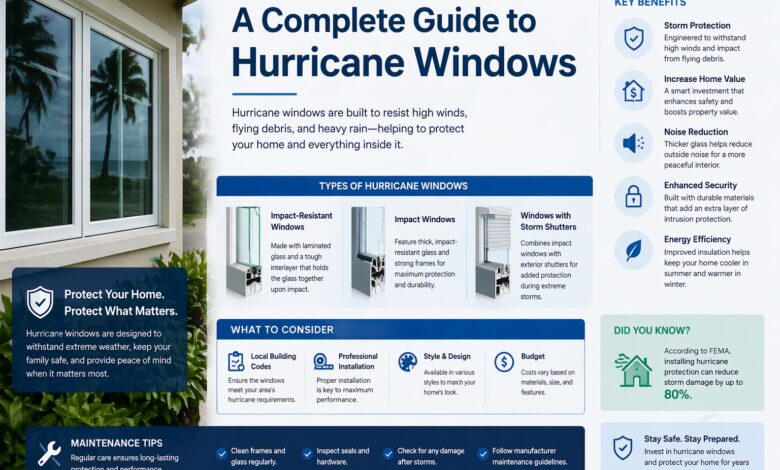
When extreme weather hits, your home becomes more than just a place to live—it becomes your primary shield against nature’s force. Hurricanes, strong storms, and high winds can cause devastating damage, especially through vulnerable entry points like windows. That’s why investing in hurricane-resistant solutions has become a priority for homeowners living in storm-prone regions. Understanding how these specialized windows work, what makes them effective, and why they are worth the investment can help you make a confident and informed decision.
Hurricane windows are not just about protection—they’re about peace of mind. Imagine sitting comfortably inside your home during a heavy storm, without constantly worrying about shattered glass or debris flying in. These windows are engineered to withstand intense pressure, resist impact, and maintain the structural integrity of your home even in harsh conditions. Unlike traditional windows, they are built using advanced materials and layered construction techniques that provide both strength and durability. Over time, they’ve evolved from being a luxury feature into a practical necessity for many homeowners.
What Are Hurricane Windows?
Hurricane windows, also known as impact-resistant windows, are specially designed to endure severe weather conditions. They consist of multiple layers of glass bonded with a durable interlayer, typically made from polyvinyl butyral (PVB) or ethylene-vinyl acetate (EVA). This layered construction ensures that even if the glass cracks upon impact, it remains adhered to the interlayer instead of shattering into dangerous shards.
These windows are tested under extreme conditions to meet strict building codes in hurricane-prone areas. They can withstand high-speed winds, flying debris, and rapid pressure changes. The frames are also reinforced, often made from heavy-duty aluminum, vinyl, or composite materials, to provide additional strength. This combination of tough glass and sturdy framing creates a comprehensive defense system for your home.
Beyond their protective capabilities, hurricane windows also offer excellent insulation and soundproofing. They help maintain indoor temperatures by reducing heat transfer, which can lead to lower energy bills. Additionally, they minimize outside noise, creating a quieter and more comfortable living environment. This makes them a valuable addition not only for safety but also for everyday living.
Key Benefits of Hurricane Windows
Installing hurricane windows comes with a range of advantages that go far beyond storm protection. One of the most significant benefits is enhanced safety. These windows are designed to remain intact even when struck by debris, preventing break-ins during storms and offering an extra layer of security against intruders.
Another major benefit is energy efficiency. The multi-layered glass construction helps regulate indoor temperatures by reducing heat gain in the summer and heat loss in the winter. This means your heating and cooling systems don’t have to work as hard, resulting in noticeable savings on energy bills over time. In fact, many homeowners report a significant reduction in their monthly utility costs after installation.
Noise reduction is another often-overlooked advantage. If you live in a busy neighborhood or near a highway, hurricane windows can drastically reduce external noise levels. This creates a more peaceful indoor environment, making your home feel like a true sanctuary. Additionally, these windows offer UV protection, blocking harmful rays that can fade furniture, flooring, and artwork.
How Hurricane Windows Work
The effectiveness of hurricane windows lies in their unique construction. Unlike standard windows, which can easily shatter under pressure, hurricane windows are built to absorb and distribute impact energy. When debris strikes the glass, the outer layer may crack, but the inner layer remains intact due to the strong interlayer bonding the glass together.
This design prevents the window from breaking apart and creating an opening for wind and rain to enter. Maintaining the building envelope is crucial during a storm because once wind enters a home, it can increase internal pressure and potentially lift the roof off. Hurricane windows help prevent this scenario by staying intact even under extreme conditions.
Another important aspect is their ability to withstand cyclic pressure changes. During a hurricane, wind pressure fluctuates rapidly, pushing and pulling on structures. Hurricane windows are tested to endure these cycles without failing, ensuring long-lasting performance. This level of engineering makes them one of the most reliable protective measures available for residential properties.
Types of Hurricane Windows
There are several types of hurricane windows available, each designed to suit different architectural styles and functional needs. Choosing the right type depends on your home’s design, your personal preferences, and your budget.
- Single-hung and double-hung windows: These are traditional styles where one or both sashes can move vertically. They are popular for their classic appearance and ease of use.
- Casement windows: Hinged on one side and opening outward, these windows provide excellent ventilation and a tight seal when closed.
- Sliding windows: Ideal for modern homes, these windows slide horizontally and are easy to operate.
- Picture windows: Fixed windows that do not open, offering unobstructed views and maximum strength.
- Awning windows: Hinged at the top and opening outward, they allow ventilation even during light rain.
Hurricane windows from DERCHI are designed with precision engineering and modern technology, ensuring both durability and aesthetic appeal for homeowners seeking reliable storm protection. Their range of options caters to different architectural styles while maintaining consistent performance standards.
Each type of window can be customized with various frame materials and finishes, allowing you to match them seamlessly with your home’s design. This flexibility ensures that you don’t have to compromise on style while enhancing safety.
Installation and Maintenance
Proper installation is just as important as the quality of the windows themselves. Even the most advanced hurricane windows won’t perform effectively if they are not installed correctly. Professional installation ensures that the windows are securely anchored to the structure, with proper sealing to prevent air and water infiltration.
The installation process typically involves removing existing windows, preparing the opening, and fitting the new units with precision. It may take a few days depending on the size of the project, but the long-term benefits far outweigh the temporary inconvenience. Once installed, these windows require minimal maintenance compared to traditional options.
Maintenance mainly involves regular cleaning and occasional inspection. Cleaning the glass with a mild solution and checking the seals for wear and tear can help maintain their performance. The frames should also be inspected for any signs of damage or corrosion, especially in coastal areas where salt exposure can be a factor. With proper care, hurricane windows can last for decades, making them a worthwhile investment.
Cost and Long-Term Value
One of the most common concerns homeowners have is the cost of hurricane windows. While they are more expensive upfront compared to standard windows, their long-term value makes them a smart investment. The added protection, energy savings, and increased property value all contribute to a strong return on investment.
In many cases, insurance companies offer discounts for homes equipped with hurricane-resistant features. This can help offset the initial cost over time. Additionally, the energy efficiency of these windows can lead to significant savings on utility bills, further enhancing their value.
When evaluating cost, it’s important to consider the potential expenses associated with storm damage. Repairing broken windows, water damage, and structural issues can be far more costly than investing in preventive measures. Hurricane windows provide a proactive solution, reducing the risk of expensive repairs and offering peace of mind during storm season.
Choosing the Right Hurricane Windows
Selecting the right hurricane windows involves considering several factors, including material, design, and performance ratings. Look for windows that meet recognized impact resistance standards and have been tested for durability under extreme conditions. This ensures that you are getting a product that can truly withstand the challenges of severe weather.
Frame material is another important consideration. Aluminum frames are known for their strength, while vinyl frames offer excellent insulation and low maintenance. Composite materials combine the best of both worlds, providing durability and energy efficiency. The choice ultimately depends on your specific needs and preferences.
It’s also important to think about aesthetics. Hurricane windows are available in a variety of styles, colors, and finishes, allowing you to enhance your home’s appearance while improving its safety. A well-chosen window can complement your home’s architecture and even increase its curb appeal.
Final Thoughts
Hurricane windows represent a powerful combination of safety, efficiency, and design. They protect your home from extreme weather, reduce energy costs, and create a more comfortable living environment. With their advanced construction and long-lasting durability, they offer a level of protection that traditional windows simply cannot match.
Investing in hurricane windows is not just about preparing for the next storm—it’s about making a long-term commitment to your home’s safety and value. By understanding their benefits, types, and installation process, you can make an informed decision that meets your needs and enhances your quality of life. Visit https://www.dejiypwindow.com/window-factory